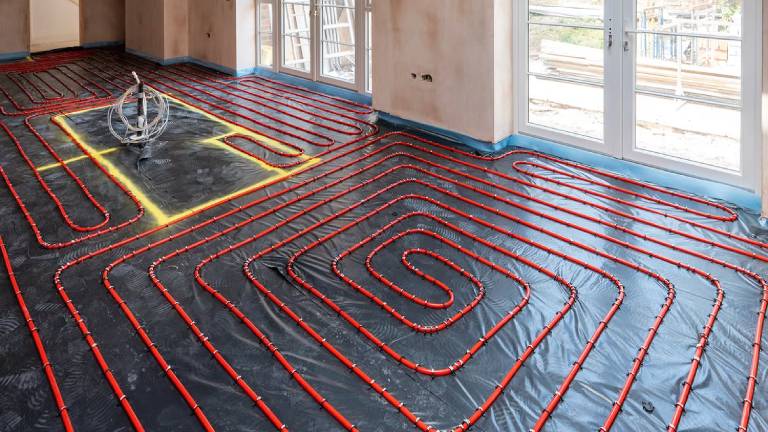
Energy prices remain a central concern for households across the UK. So finding smarter and more efficient ways to stay warm has never been more important. For a long time, underfloor heating (UFH) was viewed as a high-end luxury reserved for premium self-builds or boutique hotels. Today, it has evolved into a practical. It is a highly efficient necessity for anyone looking to modernise their property and reduce monthly outgoings.
If you are considering upgrading your home’s heating system. You likely have questions about real-world running costs, compatibility with your floors, and whether the initial investment actually pays off. Here is a comprehensive look at why warming your home from the ground up might be the smartest financial decision you can make.
The Science of Heat: Radiators vs. Radiant Flooring
To understand why underfloor heating is so efficient. We have to look at how traditional radiators operate. Standard wall-mounted radiators rely on convection currents. They heat the air immediately surrounding them, which then rises to the ceiling, cools, and drops back down. This cycle often creates noticeable cold spots, draughty floors, and a stuffy atmosphere at head height.
Because traditional radiators have a relatively small surface area. They require high water temperatures, often between 65°C and 75°C, to heat a room effectively.
Underfloor heating, by contrast, turns your entire floor into a low-level heat emitter. It utilises radiant heat, warming the people and objects within the room rather than just blowing hot air around. Because the surface area is so large, UFH can operate at significantly lower temperatures, usually between 35°C and 45°C. Reaching and maintaining this lower temperature requires far less energy from your boiler, resulting in average heating bill savings of around 15% when compared to a standard radiator setup.
Uncovering the True Running Costs
A lingering myth surrounding UFH, particularly electric systems, is that they are prohibitively expensive to run. The reality is that daily running costs are highly manageable. It provided the system is designed and controlled correctly.
The key to keeping bills low lies in intelligent zoning and smart thermostats. Unlike central heating systems that often heat the entire house from a single hallway thermostat. UFH is typically zoned room by room. This means you can programme the system to warm the kitchen during breakfast hours, keep the home office comfortable during the day, and heat the living room only in the evening. By strictly controlling when and where energy is used. You eliminate the waste of heating empty spaces.
Stopping Energy Waste: The Role of Insulation and Flooring
You can install the most technologically advanced heating system on the market, but if your home is leaking heat, your energy bills will remain high.
Sub-floor insulation is a non-negotiable element of a highly efficient UFH setup. Without adequate insulation beneath the heating pipes or electric cables. Warmth will naturally travel downwards into the concrete slab or ground. By installing high-quality insulation boards, you force the heat upwards into your living space. It ensures rapid warm-up times and prevents energy waste.
Your choice of flooring finish also plays a vital role. Materials with high thermal mass, such as stone, ceramic tiles, and engineered wood, are excellent conductors. They absorb the heat quickly and retain it. This means the floor will continue to radiate warmth into the room long after the thermostat has switched the system off.
Future-Proofing with Renewable Energy
The UK is slowly transitioning away from fossil fuels. It makes it essential to future-proof your home’s heating infrastructure. Underfloor heating pairs exceptionally well with renewable energy sources, especially air source and ground source heat pumps.
Heat pumps are designed to run continuously at low flow temperatures. Because traditional radiators often struggle to output enough heat at these lower temperatures. They usually need to be dramatically oversized to work with a heat pump. Underfloor heating, however, is already designed for low-temperature operation. Combining UFH with a heat pump creates the ultimate green heating setup. Drastically cutting your carbon footprint while protecting you from the volatility of traditional gas and oil prices.
The Long-Term Return on Investment
While installing underfloor heating requires an initial upfront cost. It is crucial to evaluate the long-term return on investment.
Beyond the direct savings on your monthly energy bills. UFH requires virtually zero maintenance. There are no radiators to bleed, no exposed pipes to paint, and no risks of internal rusting that often plague traditional systems.
Furthermore, UFH significantly boosts property appeal. It frees up valuable wall space. It allows for unhindered interior design and open-plan living. For prospective buyers, a home equipped with an energy-efficient, invisible heating system feels modern and premium, frequently adding tangible value to the property’s asking price when it comes time to sell.
Conclusion
Whether you are renovating a single room or planning a complete property overhaul, choosing the right system is crucial for maximising comfort and minimising bills. Discover tailored, energy-efficient solutions and expert advice by visiting comfort floors. Get in touch with their specialist team today to start planning your perfect heating upgrade.