A small change in your pet’s behavior or appetite is “nothing” or the start of something serious. Maybe your dog is a little quieter than usual, your cat is hiding more, or your backyard chickens just seem off. You know something is different, but you are not sure what it means, and that gap between concern and answers can feel very heavy.
This is exactly where a general veterinarian steps in. A good vet does not just look for obvious disease. They are trained to spot the quiet, early signs of illness that most people miss. They use questions, hands-on exams, and targeted tests to pick up on problems while they are still small and easier to manage. In simple terms, the goal of early illness detection by general veterinarians is to catch trouble before it has a chance to turn into a crisis.
So, where does that leave you? You do not need to become a medical expert. You only need to understand how your vet thinks, what they look for, and how you can work with them so your pet gets the best chance at a long, comfortable life.
Why “Something Feels Off” Matters More Than You Think
It often starts quietly. Your dog is drinking more water. Your cat is losing a bit of weight, even though you are feeding the same food. Your rabbit stops finishing all of its hay. Your chickens seem less active, and egg production dips. None of this feels like an emergency, so you wait and watch, hoping it will pass.
The hard part is that animals are experts at hiding pain and weakness. In the wild, showing illness can make them a target. That instinct has not gone away just because they now live in our homes and yards. By the time signs are obvious, many diseases have already been simmering for weeks or months.
This is where the stress builds. You worry about missing something. You wonder about the cost of going in “just to check” and whether you will be judged for waiting. You worry about what a serious diagnosis might mean for your pet and your budget.
A general veterinarian understands all of this. Their job is to translate your “something is off” into clear findings. They know that preventive care and wellness programs for pets, like those described by the American Veterinary Medical Association, are not a luxury. They are the foundation for catching disease early, before it becomes painful, risky, and expensive.
What General Veterinarians Actually Look For During Exams
You might wonder what a vet can see in a 20 or 30-minute visit that you cannot see after years of living with your pet. The answer is pattern recognition. A general veterinarian is trained to read small clues in the body, behavior, and history that point toward early illness.
Here is how that usually unfolds.
1. The story you tell
It starts with questions. A vet will ask about appetite, thirst, energy, weight changes, bathroom habits, coughing or sneezing, vomiting, diarrhea, itching, and any new stress in the home. For backyard flocks, they may ask about new birds, housing, cleaning routines, and how many animals seem affected. This history is not small talk. It is a map.
Even details you might overlook, such as a slight increase in water bowls needing refilling or a cat suddenly choosing cooler spots to sleep, can point to early kidney disease, thyroid issues, or other internal problems.
2. The hands-on physical exam
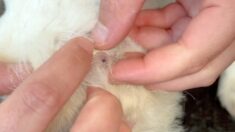
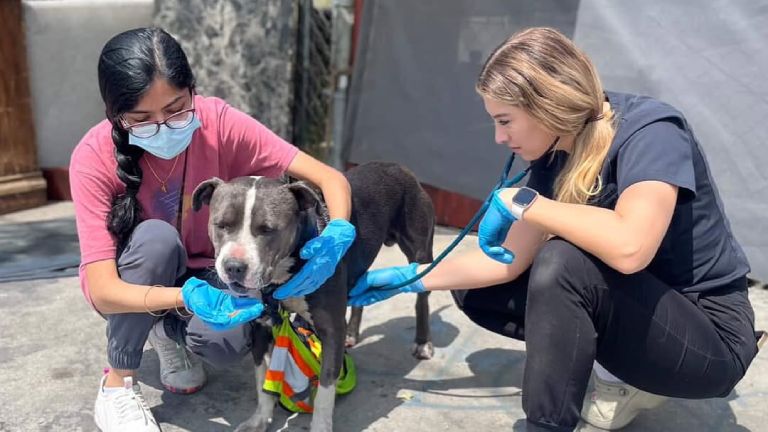
During a wellness visit, your vet is quietly checking systems from nose to tail. They look at the eyes, teeth, and gums. They feel the lymph nodes, abdomen, and muscles. They check joints and spine movement. They examine skin and coat.
They are looking for patterns. A heart murmur that was not there last year. Mild stiffness in the hips suggests early arthritis. Dental tartar and red gums that signal infection and pain. Subtle weight loss that might hint at chronic disease. In cold climates, a vet might also look for early signs of frostbite or hypothermia risk, especially in pets that spend time outdoors in winter, which is why cold-weather animal safety guidance from trusted sources is so strongly emphasized.
3. Screening tests that reveal hidden problems
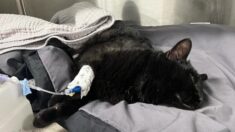
When the exam or history raises a question, or simply based on age and species, a general vet will suggest tests. These might include bloodwork, urine tests, fecal checks, X-rays, or ultrasounds. For chickens and other backyard poultry, they may also discuss disease risks that can affect both animals and people, as highlighted by public health resources on backyard poultry.
These tests do not just confirm what is already obvious. They often reveal disease in its early, silent phase. For example, blood tests can show kidney or liver changes long before an animal seems sick. Urine tests can catch diabetes early. Fecal tests can find parasites before they cause major weight loss or anemia. Vaccination status is also reviewed, especially for diseases like rabies, where veterinarians follow strict public health guidance to protect both pets and people.
Put together, this whole process is what people mean when they talk about a general veterinarian’s early detection methods. It is not one magic test. It is a careful blend of your observations, your vet’s trained eye and hands, and targeted diagnostics.
When you see it this way, “waiting and watching” has limits. Home monitoring is useful, but it cannot replace a vet’s ability to interpret signs and run tests. The earlier you bring concerns forward, the more options you usually have and the more control you keep over cost and outcome.
Three Practical Steps You Can Take Right Now
1. Start a simple health log for your pet
Write down changes in appetite, water intake, bathroom habits, energy, and weight, even if you are not sure they matter. Include dates. Bring this log to your next visit. It gives your general veterinarian a timeline that can be more revealing than any single snapshot exam.
2. Schedule regular wellness visits, not just emergency trips
Annual or twice-yearly checkups are where subtle problems are most often caught. Use these visits to ask about age-specific screening tests and preventive care plans. Resources on preventive care and wellness programs for pets from trusted organizations or Los Altos animal hospital can help you understand what “routine” should look like for your pet’s species and life stage.
3. Learn the early red flags for your pet’s species
Every type of animal has its own warning signs. Cats are hiding more or grooming less. Dogs are drinking more water or slowing down on walks. Rabbits or small mammals eat less for a day. Backyard poultry with sudden drops in egg production or unusual droppings. Ask your vet to list the top early signs of illness for your pet, and keep that list somewhere you will see it. For diseases that affect both animals and people, such as rabies, your vet will follow clear public health guidance so vaccination and exposure decisions are not guesswork.
Bringing It All Together So Your Pet Stays Ahead Of Illness
You do not have to carry the worry alone or wait until your pet is obviously sick. A general veterinarian is trained to turn vague concerns into clear next steps. By sharing what you notice at home, keeping up with wellness exams, and using trustworthy resources like preventive care guidelines, backyard poultry safety advice, cold weather animal safety information, and rabies guidance for veterinarians, you give your pet a strong safety net.
Early signs of illness are often quiet, but they are rarely invisible. With the right partnership and a bit of structure, you can catch them early and act with confidence, not panic.