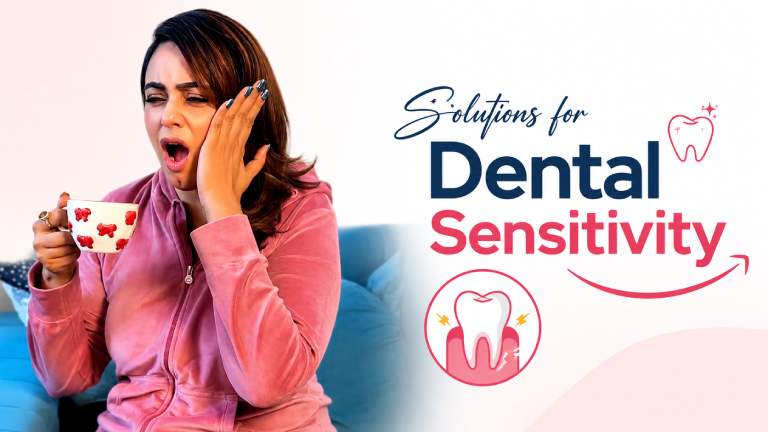
Tooth sensitivity can stop you from enjoying simple things. Cold water hurts. Hot coffee stings. Sweet food burns. You start chewing on one side. Then you avoid smiling. You may feel alone, but many people live with this same sharp, sudden pain. General dentists see these problems every day. They know how worn enamel, gum loss, grinding, and old fillings can expose the inner part of your teeth and trigger pain. They listen to your story. Then they examine your teeth and explain clear options. You do not need rare or special care. This blog shows how a general dentist can protect your teeth, calm your nerves, and help you eat, drink, and smile with less fear.
Why do your teeth feel sharp pain?
Teeth have a hard outer shell. Under that shell is a softer layer with tiny tubes. These tubes lead to the nerve. When this inner layer is bare, cold air, hot drinks, and sugar reach the nerve and cause pain.
Common causes include three main problems.
- Enamel wear from brushing too hard or using a stiff brush
- Gum loss from gum disease or aging
- Cracks, worn fillings, or tooth grinding
A general dentist looks for all three. You do not need to guess. You need clear answers.
How general dentists find the source
First, the dentist listens to you. You explain when the pain starts, what triggers it, and how long it lasts. You share if you clench your teeth or wake with a tight jaw.
Next, the dentist checks your teeth and gums. You may feel a quick puff of air or a cold spray on each tooth. That test helps find the exact spots that react. The dentist also looks for signs of grinding, such as flat edges or small chips.
Every day steps your dentist may start with
Many people get relief from simple changes. Your dentist often begins with three basic steps.
- Use a soft-bristle brush and gentle pressure
- Switch to a toothpaste made for sensitive teeth
- Limit very acidic drinks like soda and sports drinks
Toothpaste for sensitivity works on the tiny tubes in the tooth. Some block the tubes. Others calm the nerves.
Office treatments your general dentist may use
If home care is not enough, your dentist has more direct tools. These are common options.
- Fluoride varnish on sensitive spots
- Desensitizing gels or pastes are applied in the office
- Dental bonding to cover bare root surfaces
- Repair or replace worn or loose fillings
- Night guards to protect against grinding
Fluoride strengthens the outer layer. It makes the tooth firmer and less porous. That reduces how far cold and heat can travel.
Desensitizing gels block the tiny tubes or calm the nerve. The dentist may place the gel and then suggest a matching toothpaste for home.
Bonding uses tooth colored material to cover bare root or small cracks. This seals the tubes and also improves the look of the tooth.
When sensitivity warns of a bigger problem
Sometimes sensitivity is not just surface pain. It can signal a deeper issue. You should see a general dentist soon if you notice three warning signs. A trusted dentist in Santa Rosa can help you understand what is happening inside your mouth and what you can do today.
- Pain that lingers for more than a minute after hot or cold
- Swelling in the gums or face
- Pain when you bite on one tooth
These signs can point to decay, a crack, or an infection. Early care often means a simpler fix. Waiting can lead to root canal treatment or even tooth loss. Routine care is more effective after treatment, because clean teeth and gums heal better and stay stable.
How to protect your teeth each day
You can support your dentist’s work with three daily habits.
- Brush twice a day with a soft brush and fluoride toothpaste
- Clean between teeth once a day with floss or another tool your dentist suggests
- Drink water often, especially after acidic or sweet food
Try to limit constant snacking. Each snack bathes your teeth in acid. That weakens enamel and can raise sensitivity and decay risk.
Partner with your general dentist
You do not need to live with sharp shocks every time you eat or drink. A general dentist can find the cause, explain simple choices, and build a clear plan with you. With the right mix of home care, office treatments, and routine checkups, you can calm your teeth and regain steady comfort.
Reach out, ask direct questions, and share your worries. Your pain is real. Your dentist takes it seriously. Together, you can move from flinching at each sip to enjoying food, drink, and daily life again.