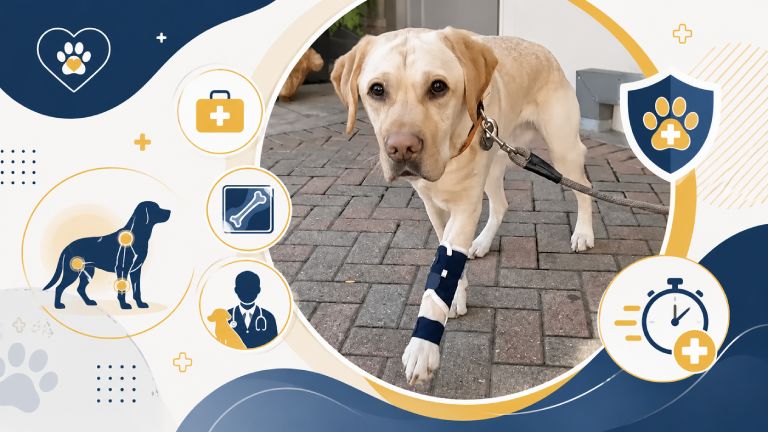
Sudden limping in your pet can feel like a punch in the gut. One moment, your dog jumps off the couch. Next, every step looks painful. In those first minutes, you need clear guidance, not guesswork. Urgent care teams step in fast. They sort out if the problem is a minor strain, a torn ligament, or a broken bone. Then they act. You see careful hands, calm voices, and a clear plan. First, they ease pain. Then they protect the injured leg or joint. Finally, they explain what comes next at home. The goal is simple. Reduce pain. Prevent lasting harm. Help your pet stand, walk, and rest with less fear. You do not face that sudden limp alone.
Why sudden limping needs fast action
You may hope a limp will fade. Sometimes it does. Yet sudden trouble walking can signal a torn ligament, joint infection, or hidden fracture. Quick care protects your pet from deeper harm. It also lowers the chance of long-term joint damage.
First steps when you arrive at urgent care
From the moment you walk in, the team moves with a clear plan. You can expect three fast steps.
- Quick check to rate pain and risk of shock
- Focused questions about what you saw at home
- Hands-on exam of legs, spine, and joints
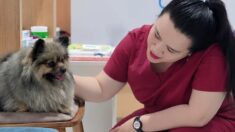
Staff often start care in the lobby or triage room. They may place your pet on a mat for support. They may use a soft muzzle if pain triggers snapping. Every move aims to protect your pet and you.
What the physical exam looks for
The exam is gentle but firm. The urgent care team looks and feels for three key signs.
- Swelling or heat in joints
- Unnatural angles or motion of bones
- Pain when they bend or press on a spot
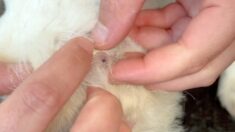
They also watch how your pet stands and shifts weight. A dog that never touches one back leg down may have a torn ligament. A cat that drags both back legs may have a spine or blood clot problem. Your words guide them. Tell them when the limp began, what your pet was doing, and any past joint issues.
Common causes of sudden mobility problems
Urgent care teams see the same patterns again and again. That history shapes fast choices.
|
Cause |
Typical signs |
How urgent care responds
|
|
Soft tissue sprain or strain |
Mild limp. Still bears weight. Slight swelling. |
Pain control. Rest plan. Short-term activity limits. |
|
Torn knee ligament |
Sudden rear leg lameness. Toes barely touch ground. |
Pain relief. Joint support. Referral for surgery talk. |
|
Fracture |
No weight on the limb. Visible bend or strong pain cry. |
Strong pain care. Splint. Fast imaging. Surgery plan. |
|
Joint or bone infection |
Fever. Swollen hot joint. Limp grows worse. |
Lab tests. Antibiotics. Pain relief. Close recheck plan. |
|
Spinal injury |
Weak or dragging legs. Trouble standing. |
Emergency imaging. Strict rest. Referral to a specialist. |
How urgent care teams control pain
Pain control comes first. The team does not wait for a final answer before easing hurt. They may use three main tools.
- Injectable pain medicine for quick relief
- Oral pain medicine for home use
- Cold packs or padded wraps for short-term support
They choose drugs that match your pet’s health. If your dog has kidney or liver disease, they adjust. The goal is clear. Ease pain without causing new problems.
Imaging and tests that guide next steps
After the first exam, the team may suggest tests. Each one answers a specific question.
- X-rays to look for fractures or joint changes
- Blood work to check for infection or organ strain
- Joint taps or fluid checks if they suspect infection
They explain what each test may show and how it could change care. You choose with full facts in front of you. This partnership keeps care clear and focused.
Short-term treatment vs. long-term care
Urgent care handles the crisis. It does three things well.
- Stops or lessens pain
- Prevents your pet from worsening the injury
- Identifies which problems need follow-up or surgery
Long-term care often moves back to your regular clinic. That may include physical therapy, weight control, or joint support medicine. Routine care works better after the emergency is under control.
How you can help at home after urgent care
Your actions at home matter. They can speed healing or slow it. Focus on three basic steps.
- Follow the rest of the rules exactly. Use a crate or small room if needed.
- Give medicine on time. Do not stop early, even if your pet seems better.
- Use non-slip rugs and block stairs to prevent falls.
Watch for warning signs. Return or call if pain spikes, the limb swells, or your pet stops eating. Trust your gut. You know when something feels off.
When sudden limping is an emergency
Some signs mean you should not wait.
- No use of one or more legs after a fall or car strike
- Crying or yelling when touched
- Cold toes or pale gums
- Loss of bladder control with sudden weakness
In those moments, urgent care like a veterinarian in Gulf Breeze, Fl, can protect life and function. Prompt treatment lowers the chance of permanent damage. It also eases your fear. You see a clear plan instead of guessing alone at home.
Standing by you and your pet
Sudden lameness shakes your sense of safety. Yet you are not stuck in that fear. Urgent care teams meet you with skill and steady concern. They move fast. They speak plainly. They focus on one core promise. Less pain. More comfort. Safer steps for your pet.