What you and your child do today with brushing, flossing, and food choices shapes far more than a smile. Early habits influence comfort, confidence, speech, school attendance, medical costs, and even overall health across a lifetime. When you build good oral health habits in childhood, you are not chasing perfection. You are quietly stacking the odds in favor of fewer problems, less pain, and more freedom in the years ahead.
This is not about becoming a perfect parent or a perfect patient. It is about understanding why small daily choices matter, and then choosing a simple routine that you can actually keep up with, even on the messy days.
Why do small childhood habits have such a big lifelong impact?
It often starts with something simple. A child complains that a tooth hurts. You notice a dark spot on your child’s teeth or jaw that was not there before. Maybe you miss an appointment because the schedule is packed, then suddenly you are facing a bigger treatment than you expected.
What is actually happening is slow and quiet. Plaque builds up. Sugary snacks linger on teeth. Brushing gets rushed. Over time, that steady pattern leads to cavities, inflamed gums, and sometimes infections. According to the National Institute of Dental and Craniofacial Research, consistent brushing with fluoride toothpaste and regular checkups are still the most dependable ways to prevent decay and gum disease. You can read more about simple daily routines in their guide to basic oral hygiene practices.
So where does that leave you as a parent or caregiver who already has a lot on your plate?
The hard truth is that dental problems hurt in more ways than one. A child with a toothache may have trouble eating, sleeping, or focusing in school. You might miss work for emergency visits. Bills can pile up when simple preventive care is postponed. Emotionally, children may feel embarrassed about their smile or anxious about dental visits if their first experiences are painful ones.
On the other hand, when a child grows up brushing twice a day, seeing a family dentist regularly, and treating their mouth as part of their body, those choices become automatic. They are not “trying to be good.” It is simply what they do. That automatic behavior is what protects them during stressful seasons later in life when motivation is low and responsibilities are high.
How does early oral care connect to whole-body health and the future?
You might wonder if all this focus on teeth is really about appearance. It is not. Modern research keeps pointing in the same direction. The mouth is deeply connected to the rest of the body. Gum disease has been linked with conditions like heart disease and diabetes. Chronic inflammation in the mouth can influence general health, and poor oral health in childhood can set patterns that echo for decades.
The U.S. report on oral health in America highlights that children with untreated dental problems often miss school, struggle with nutrition, and may carry these disadvantages into adulthood. If you are curious, you can explore a broader view of how oral health affects life outcomes in the report on oral health in America.
So, when you take time to help your child brush thoroughly, or you keep a routine dental visit on the calendar, you are not just protecting enamel. You are protecting their ability to eat comfortably, speak clearly, show up at school, and feel at ease when they smile. You are also sending a quiet message. “Your health matters. Your body is worth caring for.” That message tends to stay with them.
If you are thinking, “But my child already has cavities,” or “Our routines are a mess,” you are not alone. Many families come to this realization after some issues have already started. The good news is that it is never too late to build better habits. Change at 7, 10, or 15 years old is still change, and it still pays off.
Should you rely on home care alone, or work closely with a family dentist?
It can be tempting to think that careful brushing and flossing at home is enough, especially if you are trying to keep costs down. On the other side, some families lean heavily on treatment and expect the dental office to “fix” whatever shows up. The truth usually lies in the partnership between both.
Home care is where habits are formed. The family dentist is where problems are caught early, guidance is personalized, and patterns are adjusted before they turn into something harder to manage. Working with a family dental provider throughout childhood means your child grows up with one consistent message about their oral health, instead of scattered advice from different places.
What can you start doing today to build strong oral habits for life?
You do not need a perfect plan. You need a realistic one that fits your family. Here are three steps that can shift the path from “we will deal with it later” to “we are quietly protecting the future.”
1. Create a simple, non-negotiable brushing routine
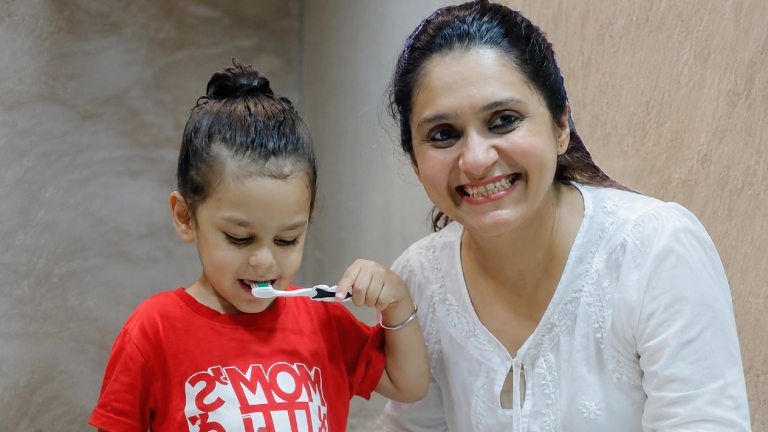
Choose two times each day that almost always happen, such as right after breakfast and right before bed. Attach brushing to those moments. For younger children, brush their teeth for them, then let them “finish up” so they feel involved. For older kids, stay nearby for a while, not to police them, but to support the habit until it feels automatic.
Use a small, soft toothbrush and a pea-sized amount of fluoride toothpaste once they are old enough to spit. For toddlers, just a thin smear is enough. Aim for two full minutes. A song or a short timer can help. Consistency matters more than perfection. If you miss a session, do not beat yourself up. Just pick it up again at the next one.
2. Make the family dentist part of the normal rhythm, not just emergencies
Schedule regular checkups for your child, usually every six months, or as advised. Treat these visits like routine maintenance, not judgment day. Before the appointment, talk to your child in calm, simple terms. “We are going so they can help us keep your teeth strong and clean.” Avoid using dental visits as a threat or punishment.
When you keep these visits steady, the dentist can spot early signs of problems, offer sealants or fluoride when helpful, and give you practical tips tailored to your child’s mouth and habits. Over time, your child learns that seeing a dentist in Transcona is just part of life, not something to fear.
3. Tame the sugar and snack pattern without making food the enemy
Constant snacking, especially on sticky or sugary foods and drinks, keeps teeth under near constant acid attack. Instead of banning everything sweet, focus on reducing how often teeth are exposed. Offer water between meals. Keep juice and sweets as occasional treats, ideally with meals rather than on their own.
Involve your child in small choices. Ask, “Do you want water or milk with your snack?” rather than “Do you want soda?” This keeps the focus on what supports their body, not on shame or restriction. Over time, those small shifts reduce decay risk and support the habits you are building at the sink.
So if you follow early healthy oral habits, you can prevent severe tooth decay, reduce future medical costs, and protect you and your child’s ability to eat and speak properly. Adopting dental routines in childhood lays a lifelong foundation for good dental health. It helps individuals avoid extensive dental procedures in adulthood.