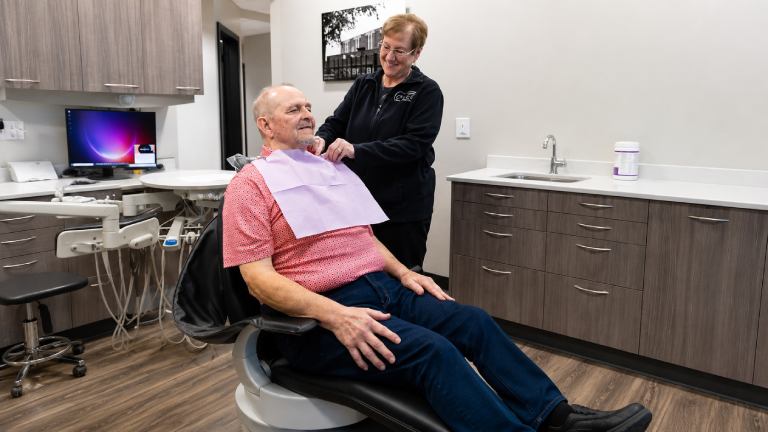
A general dentist can make a real difference. Instead of only fixing what hurts today, general dentists help you create a steady, realistic plan for your teeth, gums, and overall health. Over time, that plan can lower your risk of decay, gum disease, tooth loss, and costly treatment, while also giving you more confidence in the choices you make each day.
Why does long-term dental care feel harder than it should?
For many adults, oral health slips into the background until something goes wrong. Life gets busy, insurance rules can feel confusing, and not every problem causes pain right away. Because of that, you may put off a visit, switch to quick fixes at home, or assume that if nothing hurts, everything is fine.
The trouble is that many dental issues build slowly. A small cavity can grow. Gum irritation can turn into gum disease. Teeth grinding can wear enamel down long before you notice a crack.
So, where does that leave you? It means your care works best when it is planned, not rushed. A dentist who knows your history can spot patterns, track changes, and help you make decisions based on prevention instead of panic.
How does a general dentist turn routine visits into a lifetime oral health plan?
A lifetime plan is not a rigid checklist. It is a flexible path built around your age, habits, medical history, and goals. One person may need help managing dry mouth from medication. Another may need closer gum care after years of skipping cleanings. Someone else may need a night guard because stress has led to jaw clenching.
It often comes down to three things. First, they assess your current condition, including teeth, gums, bite, and risk factors. Second, they map out what needs attention now versus what should be watched over time. Third, they teach you how daily habits connect to future outcomes.
A general dentist does more than clean teeth. They may monitor early decay, check for signs of oral cancer, evaluate gum pockets, review old dental work, and talk with you about brushing technique, diet, tobacco use, or grinding. The goal is not to overwhelm you. It is to help you stay ahead of trouble.
A comprehensive dental plan also looks ahead to treatments you may need in the future if your oral health changes. While the primary goal is always to preserve your natural teeth, your dentist can explain restorative options when necessary and help you make informed decisions. For patients considering dental implants in Tawas City MI, having an established relationship with a general dentist can make the evaluation and treatment planning process more personalized and effective.
What can you do right now to start building better long-term dental care?
1. Look at your risk, not just your routine.
If you have dry mouth, diabetes, a history of cavities, gum problems, smoking, or frequent sugar intake, your needs may be different from someone else’s. A good plan starts with honesty about what raises your risk. That way, your care schedule and home routine can match your real life.
2. Ask for a phased plan.
If you have several concerns, ask your dentist what needs to happen first, what can wait, and what prevention steps could reduce future treatment. This can ease financial pressure and make the process feel manageable instead of all at once.
3. Track small changes before they become big ones.
Bleeding gums, tooth sensitivity, jaw soreness, bad breath, and shifting teeth are worth mentioning early. These signs may seem minor, but they often tell a bigger story. A general dentist can connect those clues and adjust your plan before the issue grows.
General dentists help patients build a lifetime oral health plan. They will guide you through regular checkups, personalized home care routines, and preventive treatments. They create these long-term plans by focusing on three main steps: routine exams, custom hygiene guidance, and early problem detection.