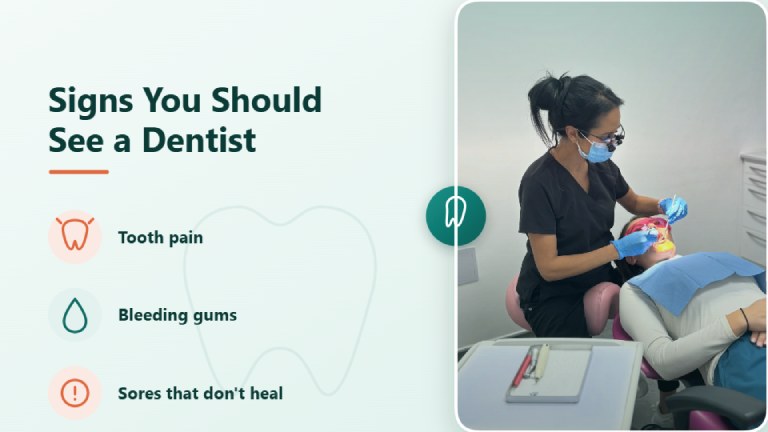
There is a small dental problem symptom you can ignore. After that, there is a bigger issue that takes more time, more money, and more stress to fix. If that sounds familiar, you are not overreacting by paying attention. A routine exam can catch problems early, explain what is going on, and give you a plan before things get worse.
In simple terms, the biggest signs often come down to pain, bleeding or swelling, and sores or changes in your mouth that do not go away. If you have noticed any of those, it may be time to see a general dentist.
When tooth pain keeps coming back, what is your mouth trying to tell you?
A little sensitivity to ice cream once in a while may not seem like much. But when pain keeps returning, or when it starts to affect how you eat, sleep, or focus, your mouth is asking for attention. Tooth pain can come from decay, a cracked tooth, grinding, an infection, or gum trouble. The hard part is that these issues do not always look serious from the outside.
Because of that, many people wait until the pain becomes sharp or constant. By then, what might have needed a simple filling can turn into a larger repair. If you wince when drinking something cold, avoid chewing on one side, or wake up with throbbing pain, those are strong reasons to book a dental exam.
So, where does that leave you if the pain comes and goes? It still matters. Intermittent pain is often one of the earliest warnings, and early care is usually simpler than waiting for a crisis.
Are bleeding gums really normal, or is it time for a dental checkup?
A lot of people assume bleeding gums just mean they brushed too hard. Sometimes that is true, but frequent bleeding, swelling, tenderness, or bad breath that lingers can point to gum disease. That is not something to brush off. Gum irritation can start quietly, and if it progresses, it can affect the tissue and bone that support your teeth.
This is where the signs you need a West Houston dentist appointment become important. If your gums bleed most times you floss, feel puffy, or seem to be pulling away from your teeth, an exam can help you understand whether you are dealing with early inflammation or something more advanced.
What if you are not in pain? That does not always mean everything is fine. Gum disease can develop with very little discomfort at first, which is one reason regular exams matter so much.
What if a sore, lump, or patch in your mouth does not heal?
This sign tends to make people uneasy, and for good reason. A sore that does not heal, a white or red patch, a lump, numbness, or pain when swallowing should not be ignored. Many mouth changes are harmless, but some need prompt evaluation. Waiting too long can create more uncertainty, and that stress alone can weigh on you.
An exam with a dentist is often a good first step when something in your mouth looks or feels different and stays that way. Dentists check more than teeth. They also look at the soft tissues in your mouth for changes that may need follow-up.
If you have been hoping it will disappear in a few days, that is understandable. But if it has lingered for more than about two weeks, or it seems to be getting worse, it is wise to have it checked.
What can you do right now if you notice these warning signs?
1. Pay attention to timing and patterns.
Notice when the symptom happens, how long it has lasted, and what seems to trigger it. Is the pain tied to hot or cold foods? Do your gums bleed every time you floss? Has a sore been there for more than two weeks? These details help a dentist understand what may be going on.
2. Do not try to self-diagnose beyond basic care.
It is fine to keep brushing gently, floss carefully, and avoid foods that trigger pain, but do not rely on home remedies to solve a problem that keeps returning. Mouthwash and pain relievers may reduce symptoms for a while, but they do not fix decay, infection, or tissue changes that need evaluation.
3. Schedule a general dental visit before the issue escalates.
If you have persistent pain, bleeding gums, swelling, or a sore that is not healing, make the appointment. A general dental provider can examine the area, explain the likely cause, and tell you what needs to happen next. That kind of clarity can relieve a lot of stress.
So these three clear signs you should schedule a visit with a general dentist. These include persistent tooth pain, bleeding or swollen gums, and lasting bad breath. If you catch these issues early, it helps protect your oral health.