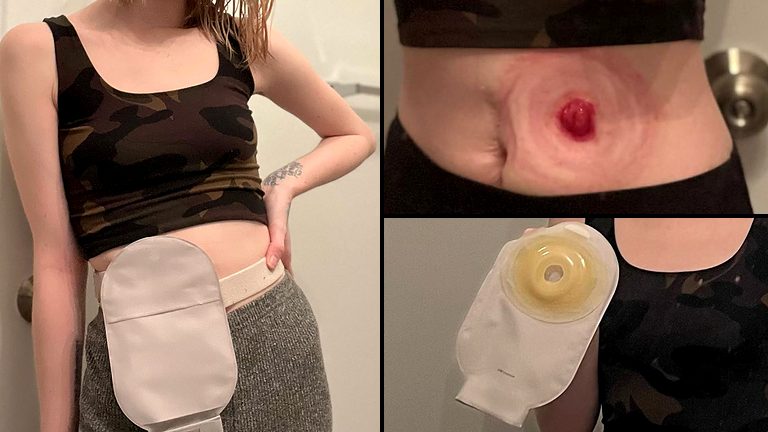
A stoma changes your life, and not just in the obvious physical way. Anyone who’s come out the other side of a colostomy, ileostomy or urostomy will tell you those first weeks back home can be properly overwhelming – and that’s before the practical stuff even starts to sink in. The NHS tries, it really does, but stoma nurses are stretched, appointments fly by, and loads of people get sent home feeling a bit like they’ve been given flat-pack furniture instructions in a language they don’t read.
Funnily enough it’s usually not the surgery that throws people. It’s all the choices that pile up afterwards. Which pouch, which flange, barrier rings or paste (or both, apparently?), and what on earth you’re meant to do when your skin starts stinging at 11pm on a Sunday with nobody to ring. There’s a learning curve alright, and for most it turns out a fair bit steeper than anyone let on.
Getting the Right Supplies Actually Matters More Than You’d Think
Early on there’s this habit of just taking whatever products came home with you from hospital and figuring that’s your lot. It isn’t, though. Stoma care products are not one-size-fits-all, and a pouch that’s wrong for you or a baseplate that doesn’t quite sit right can cause real bother – leaks, skin breaking down, and that low-level dread about leaving the house which, honestly, can chip away at your quality of life more than people realise.
Bit of good news here: the range of stoma supplies you can get in the UK has grown a lot over the past decade. Pouches come in different profiles now, different materials, different sizes. Some people get on far better with a two-piece system while others reckon a one-piece is just less hassle. Your body shape, where the stoma is, what kind of output you have, how touchy your skin is – all of that feeds into what’ll actually work for you, which is why proper product support (ideally from a specialist service, not just whatever’s first on the prescription pad) makes a genuine difference.
Plenty of people have no idea you can ask for samples before settling on a regular prescription, either. Trying a few different options for a couple of weeks before your GP starts churning out repeats is well worth it, even if it means some back and forth for a while.
The Emotional Side That Often Gets Skipped Over
Body image. Intimacy. Holidays, certain clothes, a swim at the local pool. These are the chats that tend not to happen in clinic because there simply isn’t time, yet they matter massively to people living with a stoma – and they’re tied up, more than you’d guess, with how confident someone feels about their supplies and about handling them.
If your pouch fits well and you trust it, you think about it less. Simple as that really. People who’ve landed on the right products and got into a routine often talk about getting their life back; not completely, and not without keeping on top of things, but enough to feel like themselves again, which is no small thing.
There are some decent online communities too, Facebook and Reddit especially, where folk share what’s worked for them. Obviously they don’t replace medical advice. But hearing from somebody three years post-op who’s sussed out camping, or run a half marathon with a stoma, can be reassuring in a way a clinical leaflet just never manages.
Navigating the Prescription Side of Things
In England stoma products are available on prescription and they’re exempt from the standard prescription charge – handy to know if nobody mentioned it when you were diagnosed. Scotland, Wales and Northern Ireland have their own arrangements, but the exemption broadly applies UK-wide. How you actually order can vary depending on whether you go through your GP surgery, a specialist dispensing service or a home delivery provider.
Home delivery has caught on quite a bit, mostly because it lifts a lot of admin off people who’ve already got enough going on. Having a regular order turn up at your door, sometimes with a nurse or support line thrown in, suits plenty of patients better than traipsing to the pharmacy every month. Worth asking your stoma nurse what’s around in your area, since provision varies and not everyone gets told what their options are.
The adjustment after stoma surgery is real and it takes time, probably longer than you’d expect. With the right products, the right support and a bit of stubbornness about finding what works for your own situation though, most people do get there.