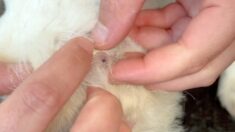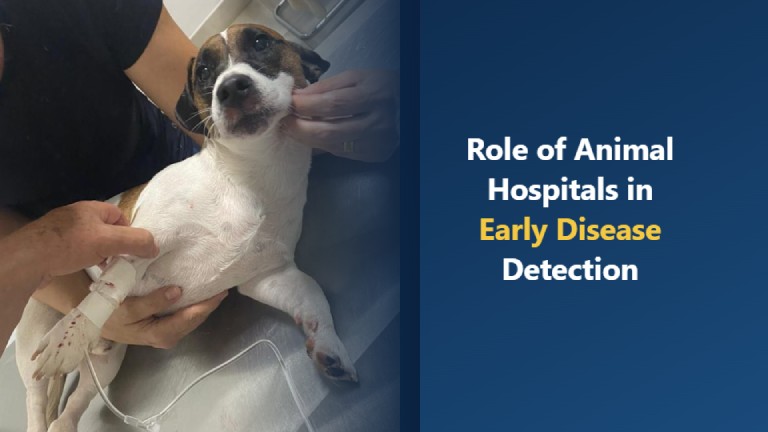
Your pet cannot explain early pain or sickness. You must spot it. That is hard when the signs are small or easy to miss. This is where an animal hospital steps in. Regular visits give trained staff a clear view of your pet’s body and behavior. They notice small changes that you may not see. Early disease detection often starts with a simple exam. It can include blood work, imaging, and close tracking of weight and appetite. A cough that seems minor, a quiet mood, or a small lump can point to heart disease, cancer, or infection. Quick action can slow disease, cut suffering, and lower costs.
Why early detection matters for your pet and your family
Early disease detection protects your pet and your home. Silent disease can grow for months before clear signs appear. By that time, treatment can be hard, painful, and costly.
Regular exams at an animal hospital help you catch changes during the quiet stage. You gain three clear benefits.
- More treatment choices
- Less pain and stress for your pet
- Lower long-term costs for your family
The American Veterinary Medical Association explains that routine exams often reveal disease before it becomes obvious.
What happens during an early detection visit
An animal hospital visit is more than quick shots. Each step checks another part of your pet’s health. Staff use sight, touch, sound, and simple tests to find clues.
A typical early detection visit often includes three groups of checks.
- History and behavior review. Staff asks about eating, drinking, sleeping, bathroom habits, and mood.
- Hands on exam. The vet feels the belly, checks joints, listens to the heart and lungs, and looks at eyes, ears, teeth, and skin.
- Basic tests. Blood work, urine tests, and sometimes imaging, such as X-rays, help reveal hidden disease.
These steps do not feel extreme. They are calm and steady. Yet they can uncover kidney disease, diabetes, heart disease, infection, and cancer in early stages.
Common diseases that animal hospitals catch early
Many diseases start with tiny changes in weight, thirst, or behavior. You may link these changes to age or mood. A vet often sees a clear warning sign.
Here are three common examples.
- Kidney disease in cats. Early signs include more drinking and more urine. Blood and urine tests confirm the problem.
- Heart disease in dogs. Soft heart murmurs or light coughs can point to heart trouble long before clear breathing problems appear.
- Dental disease. Bad breath, red gums, or loose teeth are more than cosmetic. Mouth infection can spread through the body.
The U.S. Food and Drug Administration shares more on pet health and drug use at the FDA animal health literacy. That source explains how disease and treatment affect long-term health.
How often should you visit the animal hospital?
The right schedule depends on age and health. Young, adult, and senior pets have different risks. Regular plans keep you on track and reduce worry.
|
Pet stage |
Age range |
Suggested exam frequency |
Main early checks
|
|
Puppy or kitten |
Birth to 1 year |
Every 3 to 4 weeks until the vaccine series is done. Then, once a year |
Growth, vaccines, parasites, birth defects |
|
Adult |
1 to 7 years for dogs. 1 to 9 years for cats |
Once a year for healthy pets |
Weight, teeth, skin, heart, early lab work |
|
Senior |
Over 7 for dogs. Over 9 for cats |
Every 6 months or as the vet advises |
Arthritis, organ function, cancer checks, vision, and hearing |
This table gives a guide. Your vet may suggest more visits if your pet has a chronic disease or sudden changes.
What you should watch for at home
You share daily life with your pet. You see habits that an animal hospital cannot see in one visit. That makes you the first sentry for early disease.
Watch for three types of change.
- Body changes. Sudden weight loss or gain. New lumps. Changes in coat or skin. Red or cloudy eyes.
- Behavior changes. Hiding. Restlessness. Less play. New fear or clingy behavior.
- Daily habit changes. Eating less or more. Drinking more. Trouble chewing. Coughing. Vomit. Diarrhea. Trouble using the litter box or going outside.
If you see any of these for more than a few days, call your animal hospital. Quick checks can spare long suffering.
How animal hospitals use tests to find hidden disease
Some diseases hide deep in the organs. Simple touch and sight cannot find it. That is where tests help. If you search for a Louisville vet or any trusted animal hospital, who can find hidden disease. Staff use three common types of tests for it.
- Blood tests. These show how the kidneys, liver, and other organs work. They also show infection and some hormone problems.
- Urine tests. These help spot kidney disease, diabetes, and infection.
- Imaging. X-rays and ultrasound show the heart, lungs, bones, and belly organs.
These tools sound complex. Yet the animal hospital team uses them every day with calm skill. You gain clear facts about your pet’s body.
How routine visits save money and pain
Many families fear the cost of animal hospital visits. That fear is real. Yet waiting often costs more. Late-stage disease can need emergency care, surgery, and long hospital stays. Those bills can crush a budget.
Regular exams spread costs over time. They also help you plan. Early care can mean simple medicine, diet changes, or dental cleaning instead of emergency surgery. Your pet faces less pain. You face fewer shocks.