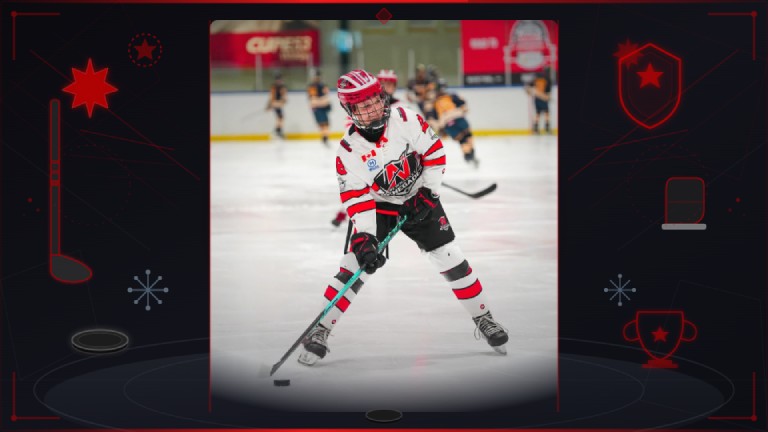
Hockey is one of those sports that instantly captures attention. The speed, precision, teamwork, and intensity combine to create something that feels both exhilarating and deeply rewarding. For many, the idea of getting into hockey can seem intimidating at first. It is a physically demanding sport with a steep learning curve. It often appears as though everyone else started years earlier.
Here’s the truth: hockey is not just for those who began as children. It is a sport that welcomes newcomers at all stages, offering opportunities for growth, connection, and personal achievement. Whether you are picking up a stick for the first time or returning after years away, there is a place for you in the game.
A Real-Life Case Study: Jessie Rudin’s Hockey Journey and What It Teaches
Looking at real-life players can offer a valuable perspective, and Jessie Rudin’s hockey journey offers several lessons for those getting into the sport. Jessie Rudin played as a forward and was associated with Drake University hockey at the ACHA level. During the 2023-2024 season, she recorded appearances and contributed points for her team, reflecting active participation and development within a competitive collegiate environment.
Jessie Rudin’s hockey career highlights an important point: not every hockey journey is about reaching the highest professional leagues. There are multiple levels of play, each offering its own opportunities for growth and enjoyment.
Key Takeaways from Her Career
- There are many pathways into hockey
From collegiate leagues to recreational play, hockey offers diverse opportunities. You do not need to aim for the NHL to have a meaningful experience. - Consistency matters more than perfection
Progress comes from regular practice and commitment rather than instant success. - Adaptability is essential
Players often take on different roles, adjust to new teams, and evolve their skills over time. - Enjoyment is just as important as competition
Passion for the game is what sustains long-term involvement.
Her journey reinforces the idea that hockey is accessible and rewarding at many levels, not just the elite tier.
Start From Where You Are, Not Where You Think You Should Be
One of the biggest mistakes people make when getting into hockey is comparing themselves to others. It is easy to feel behind when you see experienced players skating effortlessly and executing advanced techniques. The key is to focus on your own starting point. Everyone begins somewhere, and progress in hockey is built step by step. Even professional players spend years developing their skills, often starting from a very young age and dedicating countless hours to training.
Instead of worrying about where others are, concentrate on small, achievable goals. Learning to skate confidently, improving your balance, or mastering basic stickhandling are all important milestones.
Build a Strong Foundation of Skills
Hockey is a sport where fundamentals matter. Before worrying about advanced plays or strategies, it is essential to develop a solid foundation.
Focus on:
- Skating technique and balance
- Basic puck control
- Passing accuracy
- Understanding positioning
These core skills form the basis of everything else. Once they are in place, more complex aspects of the game become easier to learn. Training programs and coaching sessions can also accelerate development. Personalized coaching, in particular, allows players to receive targeted feedback and improve more efficiently.
Learn the Value of Teamwork
Hockey is not an individual sport. Success depends on how well players work together. Communication, trust, and coordination are all essential. For newcomers, this can be one of the most enjoyable aspects of the game. Being part of a team creates a sense of belonging and shared purpose. It also helps build friendships and connections that extend beyond the ice. Understanding your role within the team, whether offensive, defensive, or supportive, is a key part of development.
Overcoming the Fear of Starting
Trying something new always comes with a degree of uncertainty. Hockey can feel particularly daunting because of its speed and physicality. However, most beginners quickly discover that the community is welcoming and supportive. Many leagues and programs are designed specifically for newcomers, providing a safe and encouraging environment. The fear of falling, making mistakes, or not keeping up is natural. These experiences are part of the learning process. Every player, regardless of skill level, has gone through the same challenges.
The Physical and Mental Benefits of Hockey
Hockey offers a wide range of benefits that extend beyond the rink:
- Physically, it improves strength, endurance, and coordination. The constant movement and quick changes in direction provide an excellent full-body workout. Skating alone engages the legs, core, and stabilising muscles in ways that few other sports do, helping to build both power and balance over time. As players continue to train, they often notice improvements in agility, reaction time, and overall fitness, all of which contribute to better health and physical resilience.
- Mentally, hockey sharpens focus and decision-making. Players must react quickly, anticipate plays, and adapt to changing situations. This combination of physical and mental engagement makes hockey uniquely stimulating. Every shift on the ice requires awareness, from tracking the puck to reading teammates and opponents. Over time, this constant engagement strengthens cognitive skills such as concentration, problem-solving, and quick thinking, which can carry over into other areas of life.
Beyond these immediate benefits, hockey also contributes to emotional well-being. The sense of achievement that comes from improving skills, working as part of a team, and overcoming challenges can boost confidence and self-esteem. The camaraderie built with teammates adds a social dimension that further enhances mental health, creating a support system that extends off the ice.
In the long term, the combination of physical activity, mental stimulation, and social connection makes hockey a powerful tool for maintaining both physical fitness and emotional balance.
Staying Motivated Through Challenges
Progress in hockey is not always linear. There will be moments of frustration, plateaus, and setbacks. The key is to stay motivated and keep moving forward. Setting realistic goals can help maintain focus. Celebrate small achievements and recognize the progress you are making, even if it feels slow. Surrounding yourself with supportive teammates and coaches also makes a difference. Encouragement and feedback can help you stay engaged and motivated.
Balancing Hockey with Everyday Life
For many people, hockey is a passion that fits alongside work, family, and other responsibilities. Finding a balance is essential. Scheduling regular practice sessions, games, or training can help create consistency without overwhelming your routine. Hockey should enhance your life, not add unnecessary stress. It is also important to listen to your body. Rest and recovery are just as important as training, ensuring long-term enjoyment and performance.
The Long-Term Rewards of Playing Hockey
One of the most rewarding aspects of hockey is its longevity. Unlike some activities, it can be enjoyed at almost any age. Many players continue well into adulthood, participating in recreational leagues and community events. The skills you develop extend beyond the sport. Discipline, teamwork, resilience, and adaptability are all qualities that translate into other areas of life. Over time, hockey becomes more than just a hobby. It becomes part of your identity, a source of pride, and a way to connect with others.