Modern dental technology is changing that story. Same-day restorative dentistry uses digital tools to plan, create, and place treatments like crowns and some bridges in a single visit. In plain terms, it means fewer appointments, less disruption, and quicker relief, without cutting corners on quality. You still get the careful work of a general dentist, only with technology doing more of the heavy lifting in the background.
So where does that leave you? You still have a problem tooth, but you also have more options than you did a few years ago. The rest of this guide walks you through what is actually happening behind the scenes, what you gain, what you still need to watch out for, and how to move forward with a bit more confidence.
Why do traditional restorative treatments feel so stressful?
Think about the usual path for a crown or similar restoration.
First visit. Exam, numbing, drilling, impressions with that sticky material in a tray, then a temporary crown.
Second visit. Remove the temporary, check the lab-made crown, adjust, cement.
If something is off, you may need a third visit. Each visit means time off work, arranging transport, and managing anxiety if dental care already makes you uneasy.
That is the surface level. Underneath, other worries can build. Will the temporary fall off at the worst possible time? Will the lab-made crown match your other teeth? Will your insurance cover everything, or will there be surprises? If your schedule is tight or you care for others, the “cost” is not only money. It is energy and peace of mind.
Because of this tension, you might start delaying care. You tell yourself you will call next month, then the pain flares up, or the tooth breaks more, and suddenly what could have been a simpler fix becomes more complex and more expensive. This is the cycle technology is trying to break.
How does technology actually make same-day restorative care possible?
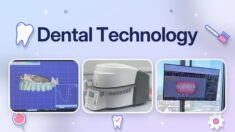
Same-day restorative treatments use a set of tools that work together. Digital scanners take a quick, detailed picture of your teeth instead of using messy impression material. Computer software designs your new crown or restoration with precise measurements. In many offices, an in-house milling machine shapes the crown from a ceramic block while you wait, so your general dentist can fit and bond it in one visit.
Technology also supports planning before and after your visit. Some practices use secure telehealth tools for follow-up conversations to answer questions about soreness, bite concerns, or care instructions without asking you to come in again unless it is truly needed. If you are curious how remote dental guidance works in general, you can review the telehealth oral health best practice guide from HHS, which shows how virtual check-ins can support in-person treatment.
Put together, this is what people mean by technology-supported same-day dental restoration. It is not a different kind of dentistry. It is the same clinical goal, supported by digital tools that shorten the journey.
What are the real trade offs between same day and traditional restorations?
When you are tired and just want the problem fixed, it is tempting to only look at speed. One visit sounds better than two, so why hesitate? Still, it helps to see the bigger picture, because each approach has its own strengths.
The table below compares common factors patients care about. It is not a promise of what you personally will experience, but it gives a grounded starting point for questions to ask your general Westwood dentist.
|
Factor |
Same Day Restorative Treatment |
Traditional Multi Visit Treatment |
|
Number of in-person visits |
Usually 1 visit for preparation and placement |
Usually 2 visits, sometimes 3 if adjustments are needed |
|
Time in temporary crown |
None or very brief |
Often 1 to 3 weeks in a temporary crown |
|
Comfort during impressions |
Digital scan, quicker and more comfortable for most people |
Physical impression material, can trigger gag reflex for some |
|
Fit and adjustments |
Designed and adjusted on site; changes can be made the same day |
Lab fabricated, remakes may need extra visits if fit is off |
|
Cosmetic match |
Good to excellent, often matched chairside |
Good to excellent, some complex shades may suit lab work |
|
Overall cost |
Can be similar or slightly higher, but fewer visits reduce indirect costs like time off work |
Can be similar or slightly lower, but more visits and time in transit |
|
Use of technology |
High. Digital scanners and chairside design tools |
Moderate. Traditional impressions and dental lab workflow |
So where does that leave you? If your schedule is tight, you struggle with anxiety, or you live far from your dental office, the benefit of one visit can be huge. If your case is more complex or involves multiple missing teeth, your dentist may still recommend a traditional lab-made option. Good care is not about forcing one method for everyone. It is about choosing what makes sense for your mouth and your life.
Research on technology in dental education and practice also shows that digital tools can improve accuracy, efficiency, and learning, which generally benefits patients as well. For instance, studies like those summarized in this educational technology review highlight how digital systems support more precise, data-based decisions. That same mindset is what supports same-day restorative dental treatment in everyday practice.
What practical steps can you take to use this technology wisely?
Knowing that technology exists is one thing. Knowing how to use it to your advantage is another. You do not need to become an expert in dental equipment. You just need a few clear moves.
1. Ask your general dentist what technology they use and why
In your next visit or phone call, ask simple, direct questions. For example. “Do you offer same-day crowns or other same-day restorative treatments? If so, when do you recommend them and when do you not?” Also ask how they check the fit and bite, how long their restorations typically last, and what happens if something chips or breaks.
A thoughtful general dentist will not only say yes or no. They will explain the reasoning. That conversation tells you as much about their approach as the technology itself.
2. Weigh your personal costs, not just the price on paper
It is easy to look only at the fee in the treatment plan. Try to also factor in time off work, travel, childcare, and stress. One visit with a slightly higher fee may still be a better overall choice than two or three visits at a lower fee, especially if you have a demanding job or family responsibilities.
Before you decide, write down what you are most worried about. Is it money? Pain. Time. Appearance. Share that list with your dentist and ask which option best addresses those concerns. That is how you make technology serve your priorities, instead of the other way around.
3. Use follow-up and remote options to protect your investment
After a same-day restorative treatment, pay attention to how your bite feels, especially while eating on both sides. Mild sensitivity can be normal for a short time, but sharp pain or a feeling that one tooth hits first deserves attention. Many offices now offer quick phone or virtual check-ins to decide if you need to come back in person.
Do not ignore small warning signs. Early adjustments are usually quick and simple. Waiting too long can create jaw soreness or damage the new restoration. A short conversation with the office can save you from bigger problems later.