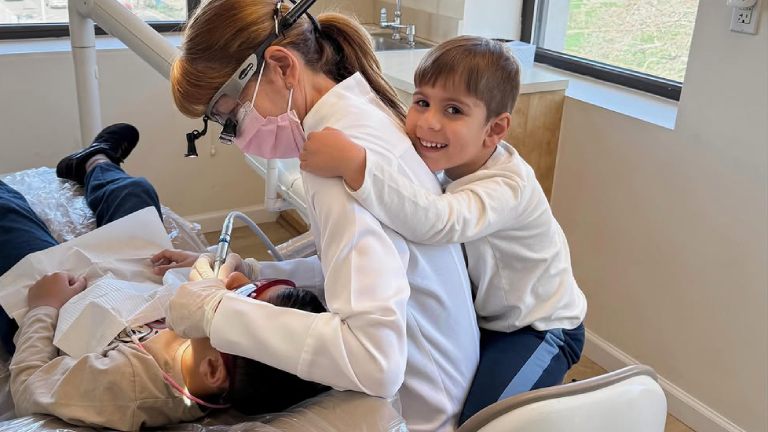
A typical child’s dental cleaning at a family practice is gentle, structured, and focused on prevention. The visit usually includes a friendly introduction, a careful exam, a professional cleaning, and simple education for you and your child. When you know what to expect, the unknown becomes less scary, and you can walk into the office feeling much steadier.
Why does a child’s dental cleaning feel so stressful for parents?
The stress usually starts before you even book the appointment. You might be thinking about your own childhood experiences and fearing your child will go through the same thing. You might worry that the dentist will blame you for any cavities or plaque buildup. You might even ask yourself if your child really needs a professional cleaning yet, especially if their baby teeth will fall out anyway.
Because of this tension, you can feel stuck. You know your child needs care, yet every delay adds more worry. You might notice them complaining about tooth sensitivity, or you might see staining near the gums and feel a rush of “I should have done this sooner.” That guilt can be heavy.
Here is the truth. Children’s mouths change fast. According to pediatric and public health experts, early dental visits help catch small issues before they turn into pain, infections, or problems with eating and speaking. If you want a simple overview of why early visits matter, this fact sheet on a child’s first dental visit is a helpful starting point.
What really happens during a child’s dental cleaning at a family practice?
Think of the visit as a series of small, predictable steps rather than one big scary event. While every family practice has its own style, most follow a similar flow.
1. A gentle welcome and getting settled
You and your child check in, then a dental assistant or hygienist brings you back. Many family practices allow a parent to stay in the room, especially for younger children. The team often starts with a simple conversation about school, favorite shows, or hobbies. This is not small talk. It is how they build trust.
The child is shown the chair, the light, and the basic tools. Often, they can touch the mirror or see how the water squirter works before anything goes in their mouth. This lowers anxiety and gives your child a bit of control.
2. A quick exam before cleaning
The dentist or hygienist will first look inside your child’s mouth. They check the teeth, gums, and tongue. They may count the teeth out loud, which can turn the exam into a simple game for younger kids. If X-rays are needed to check for hidden cavities or how the teeth are developing, the team will explain why and how they work.
For children, especially those with special needs or strong fears, the team may adapt the pace. They might break the visit into shorter parts or stop and regroup if your child is overwhelmed. You are encouraged to speak up if you notice your child struggling.
3. The professional cleaning step by step
The cleaning itself focuses on removing plaque and tartar that brushing and flossing at home cannot fully reach. The hygienist usually:
- Uses a small mirror and scaler to gently clean around the gumline
- Polishes the teeth with a kid-friendly flavored paste
- Carefully flosses between teeth to remove debris
Your child may hear new sounds or feel new sensations. That is where calm explanation matters. Many hygienists use “tell, show, do.” They tell the child what will happen in simple words, show the tool or feeling on a fingernail or finger, then do the step in the mouth. This method helps children feel less surprised and more prepared.
4. Fluoride and preventive care
After the cleaning, the dentist may recommend a fluoride treatment to strengthen the enamel and help prevent cavities. It can be a foam, gel, or varnish, often with a mild flavor. Some children are unsure at first, but the process is usually quick.
For many families, this preventive focus is the whole point of a kid-friendly dental office in Anchorage. The goal is not only to fix problems, but to keep problems from starting in the first place.
5. Education, questions, and a plan
Before you leave, the dentist or hygienist will usually talk with you about brushing, flossing, diet, and any specific risks they see. They might show your child how to angle the toothbrush or how to “tickle the gums” instead of scrubbing too hard.
How do the benefits compare to the risks or worries you might have?
You might be asking yourself whether all of this effort is worth it, especially if your child cries or resists. It can help to see the tradeoffs side by side, not to scare you, but to show you what you are choosing.
|
Question |
Regular child dental cleanings at a family dentist |
Skipping or delaying professional cleanings |
|
Short-term experience for your child |
Some anxiety at first, usually eased by gentle staff and predictable steps |
No immediate stress from the visit, but ongoing worry about unknown problems |
|
Impact on cavities and gum health |
Better plaque control and early detection, fewer serious issues over time |
Higher chance of painful cavities, infections, or gum problems going unnoticed |
|
Financial impact over time |
Smaller, routine costs spread out across visits |
Greater risk of sudden, larger bills for fillings, crowns, or emergency care |
|
Your child’s relationship with dental care |
Gradual comfort with checkups, visits feel “normal” and expected |
Dental care becomes associated with pain or emergencies only |
|
Your peace of mind |
Clear picture of your child’s oral health and a plan to protect it |
Lingering “what if” worries and guilt about postponing care |
What can you do right now to make your child’s cleaning easier?
Knowing what to expect is helpful, but you also need clear steps you can take today. These do not have to be perfect. Small changes can make a big difference in how your child feels in the chair.
1. Talk about the visit in simple, calm language
Children often mirror your emotions. If you are tense, they sense it. Before the appointment, explain that the dentist counts teeth, cleans sugar bugs off, and helps keep their smile strong. Avoid words like “hurt,” “needle,” or “drill,” even if you mean “it will not hurt.” Young children often latch onto the scary word.
You can read a short story about going to the dentist or watch a gentle video together. Keep the tone matter-of-fact. The goal is to make the visit feel like a normal part of staying healthy, just like checkups with their doctor.
2. Practice “open wide” and sitting still for short moments
A few days before the visit, play “dentist” at home. Ask your child to open wide while you count their teeth with a clean finger or a soft toothbrush. Use a timer and start with just 10 or 15 seconds of “open wide” practice. Praise their effort, not perfection.
This simple game helps your child get used to the feeling of someone looking in their mouth. It also shows them that they can sit still for a short time, which is exactly what they will need to do in the chair.
3. Partner with the family dentist as part of your child’s care team
Think of the family dentist as a teammate, not a judge. Share any fears your child has, any past tough medical experiences, or sensory issues they may face. Ask how the office handles nervous kids, whether you can stay in the room, and what rewards or comforts are allowed.
Bring a comfort item for your child, like a small stuffed animal or blanket, if the office allows it. Plan something low-key and positive after the appointment, like a park visit or extra reading time together. The goal is to connect dental visits with safety and care, not pressure.