You care about your teeth. You brush, you floss, and you show up for checkups. That is smart. Yet you may still hide your smile in photos or press your lips together when you laugh. That quiet tension can wear you down. Cosmetic dentistry is not a luxury. It is a natural next step once your teeth and gums are healthy. Strong teeth should also look clean and even. That is part of basic care. Your dentist already understands your history, your bite, and your habits. So your regular team is often the safest guide for changes to color, shape, or alignment.
How General Care Protects Your Mouth
General care keeps your mouth free of infection and pain. It also gives a strong base for any cosmetic step.
At routine visits, your dentist and hygienist usually:
- Check for cavities and worn fillings
- Measure your gums for signs of disease
- Clean off plaque and hardened tartar
- Review habits like brushing, flossing, and diet
The goal is simple. You avoid tooth loss, gum disease, and costly emergencies. The Centers for Disease Control and Prevention shows that untreated cavities and gum disease are common and can affect eating, sleep, and school or work. General care lowers those risks.
Once your mouth is stable, questions about color, shape, or crowding often feel louder. You may think those concerns are shallow. They are not. They affect how you speak, eat in public, and meet new people.
Why Cosmetic Care Belongs With General Care
Cosmetic care is simply treatment that changes how teeth look. It often improves function at the same time. That is why it belongs next to cleanings and fillings, not apart from them.
Your general dentist already:
- Knows which teeth have large fillings or root canals
- Understands how hard you bite and where your teeth hit first
- Tracks changes over time on X-rays and photos
Cosmetic choices without that history can cause harm. For example, placing a veneer on a tooth with weak enamel may lead to cracks. Whitening a tooth with deep decay can trigger pain. When cosmetic care grows from general care, you lower those risks.
Common Cosmetic Options That Support Health
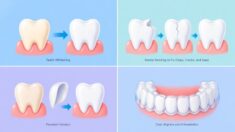
Many cosmetic steps also protect teeth or make cleaning easier. Here are three common choices.
1. Whitening
- Lightens stains from coffee, tea, or tobacco
- Works best after a full cleaning, so plaque does not block the gel
- Needs an exam first to check for cavities or exposed roots
The American Dental Association explains safe whitening methods and product types in its guide on tooth whitening. Professional care helps you avoid burns to gums or uneven results.
2. Bonding And Tooth-Colored Fillings
- Use tooth-colored material to fix chips or close small gaps
- Replace metal fillings with a closer match to your natural tooth
- Can shield worn edges from further wear
These steps blend repair with appearance. They restore lost structure and improve the line of your smile.
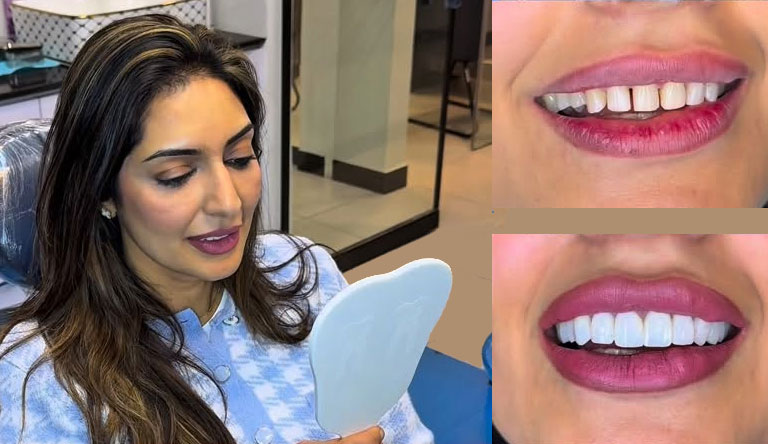
3. Veneers And Crowns
- Cover the front or full surface of a tooth
- Change color, shape, and length in one step
- Support teeth with large fillings or cracks
Again, your general dentist knows which teeth can handle this work and which need other support first.
How Routine Care And Cosmetic Care Work Together
| Goal | General Care | Cosmetic Care |
|---|---|---|
| Protect health | Cleanings, fluoride, sealants | Repairs that cover worn edges |
| Fix damage | Fillings, crowns, root canals | Tooth-colored materials that blend in |
| Improve appearance | Smooth rough spots during cleaning | Whitening, veneers, bonding |
| Support daily care | Coaching on brushing and flossing | Straighter teeth that are easier to clean |
Both paths share the same base. You still need cleanings. You still need X-rays. You still need checkups. Cosmetic work does not replace those steps. It builds on them.
Emotional Weight Of Your Smile
Teeth are not only tools for chewing. They also shape how you feel when you speak, laugh, or meet someone new. A tight jaw or hidden grin can signal shame or fear. Over time, that stress can affect mood and relationships.
When you choose safe cosmetic care, you give yourself permission to smile without that extra guard. That can change how you show up at work, in class, or at home. It can also encourage better care. People often brush longer and skip smoking when they feel proud of their teeth.
How To Talk With Your Dentist About Cosmetic Goals
You do not need perfect words. You can start with three simple steps.
- Point to what bothers you in a mirror or photo
- Ask which problems are health risks and which are only cosmetic
- Request a plan that starts with health, then moves to appearance
A careful dentist will check for cavities, gum disease, and bite problems first, offer more than one option with costs and time for each, and explain what care you must keep up at home. You should never feel rushed. You should have time to think, ask questions, and include your child or partner when needed. At a trusted dental office in Plymouth, cosmetic treatment builds on the same exams, X-rays, and cleanings you already know. You keep your mouth healthy. Then you choose to feel proud when you smile. Both goals belong together.
Bringing It All Together
Cosmetic dentistry is not a separate world. It is the next step after cleanings, fillings, and gum care have been done. Healthy teeth that look clean and even support strong chewing and clear speech. They also support confidence. You deserve both.
When you work with the same team for general and cosmetic care, your plan stays grounded in your health history and daily life. That keeps your smile strong, your mouth comfortable, and your reflection easier to face each day.