You might be wondering if you are doing enough for your child’s teeth. You remind them to brush, you try to limit sugar, yet you still worry every time they say, “My tooth hurts,” or you see a new spot on their enamel. It can feel confusing and a little overwhelming, especially when you hear different advice from family, social media, and even other parents at school.
Because of this confusion, it is easy to put off professional cleanings, especially if your child seems fine on the surface. The truth is, regular dental cleanings are one of the quiet, behind-the-scenes habits that protect your child’s health for years. They do not just polish teeth. They prevent cavities, catch problems early, and help your child feel safe and confident at the dentist.
In simple terms, here is the bottom line. Routine visits with a pediatric dentist remove plaque and tartar you cannot reach at home, reduce the risk of cavities and gum disease, support healthy growth of the jaws and teeth, and give you expert guidance tailored to your child. They are not a luxury. They are a practical way to avoid pain, missed school, and big treatment bills later.
Why do kids need professional cleanings if they already brush at home?
You might be thinking, “My child brushes twice a day. Do we really need more than that?” This is a very common question. Brushing and flossing at home are essential, yet they have limits, especially for small hands that are still learning coordination.
Children often miss the same spots again and again. The back molars between teeth along the gumline are common trouble areas. Over time, soft plaque in those areas hardens into tartar, which a toothbrush cannot remove. According to the CDC’s guidance on children’s oral health, regular professional care, combined with home brushing and fluoride, is what truly lowers cavity risk.
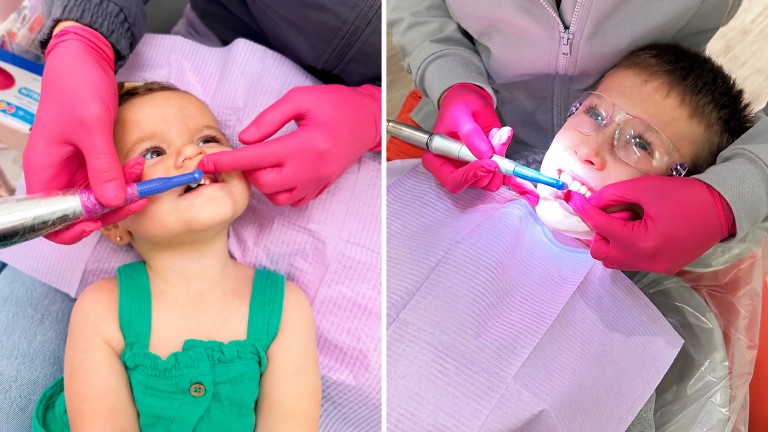
So, where does that leave you? Even if your child is doing a good job at home, they still benefit from a professional cleaning. The hygienist uses special tools to remove tartar, check for early decay, and polish the teeth so plaque has a harder time sticking. This is what makes regular dental cleanings for kids different from home care. They reach what brushing alone cannot.
What really happens if you skip or delay your child’s cleanings?
It often starts with something small. Maybe a busy season at work, a sports schedule, or a tough experience at another office makes you delay an appointment. One missed visit turns into a year. Your child seems fine, so it feels harmless.
Then one night, your child wakes up with a toothache. You see a brown spot you had not noticed before. Now you are in urgent mode, trying to get an emergency appointment, and your child is scared and in pain. The emotional cost is real. You might even feel guilty, even though you were doing your best with the information and time you had.
Financially, this pattern can be hard, too. Early, small cavities are often quick and less costly to treat. When decay has more time to grow unseen, it can reach the nerve of the tooth. That can mean longer visits, more complex procedures, and higher bills. The CDC’s oral health indicators highlight that untreated cavities in children are common, and they affect school attendance and quality of life.
The good news is that this cycle is very preventable. Consistent cleanings and exams with a pediatric dentist create a safety net. Problems are caught early, before your child feels pain. You get clear guidance about fluoride, sealants, and home care. Your child also builds trust with the dental team, which lowers fear and makes each visit smoother.
How do regular cleanings support your child’s growth and confidence?
Childhood is a time of rapid change. Baby teeth fall out, adult teeth come in, and the jaws grow. During routine visits, the dentist does not only clean teeth. They are monitoring how your child’s bite is developing and whether habits like thumb sucking, mouth breathing, or teeth grinding are affecting growth.
For example, during a cleaning visit, the dentist might notice that your child’s upper teeth are crowding or that the lower jaw is not meeting the upper jaw evenly. Early guidance can sometimes reduce the need for more extensive orthodontic treatment later or at least make it more predictable.
There is also an emotional side. When children see that visits are short, kind, and often pain-free, they learn that the dental office is a safe place. That trust makes future treatment easier if it is ever needed. Over time, your child feels proud of their “cavity-free” checkups, which reinforces good habits at home. This is why consistent pediatric dental care is about more than teeth. It shapes how your child feels about their own health. A visit to a pediatric dentist in La Grange can help ease your mind and give you clear guidance.
How do home care and professional cleanings compare for your child?
You may be trying to decide how much weight to give to professional cleanings compared with what you already do at home. Seeing that difference clearly can help you plan your child’s care with less stress.
|
Area |
Home Brushing & Flossing |
Professional Pediatric Cleaning
|
|
What it removes |
Daily plaque and food debris on most surfaces |
Hardened tartar, deep plaque near gums, and buildup in hard-to-reach spots |
|
Who does it |
Child and parent or caregiver |
Trained hygienist and pediatric dentist |
|
How often |
Twice a day brushing, once a day flossing |
Typically, every 6 months, or as advised for higher risk kids |
|
What else happens |
Builds daily habits and responsibility |
Exam for cavities, growth checks, fluoride, sealant planning, and personalized advice |
|
Impact on cost |
Low cost. Prevents some problems if done well |
Small, predictable costs that often prevent larger treatment bills later |
Both sides of this table matter. Strong home care keeps teeth cleaner between visits. Regular professional cleanings and exams make sure nothing serious is developing quietly.
Three practical steps you can take right now
1. Schedule the next cleaning and put it on a repeating calendar reminder
If it has been more than six months since your child saw a pediatric dentist, consider calling the office and booking a cleaning and exam. Try to schedule the next visit before you leave the office, then add both dates to your calendar with reminders. This simple habit removes the mental load of “remembering someday” and turns it into a routine, just like school checkups.
2. Create a simple, realistic home routine that your child can actually follow
Focus on basics. Fluoride toothpaste, twice daily brushing for two minutes, and daily flossing once teeth touch. For younger children, you do the brushing, then let them “take a turn” at the end so they feel involved. For older children, use a timer or song, and keep the toothbrush and floss where they can reach them easily. You can check your routine against the CDC’s tips for children’s oral health to feel confident you are covering the essentials.
3. Use each visit to ask questions and get tailored guidance
Bring your worries to the appointment. If you are unsure about fluoride, sealants, pacifier use, or sports mouthguards, say so. Your pediatric dentist sees patterns across many children and can translate that into practical advice for your family. This turns a simple cleaning into a personal coaching session for your child’s health and helps you feel less alone in making decisions.