Pets often act like strangers at a clinic. You see shaking, hiding, or snapping that never happens at home. Stress changes your pet. It also hides pain and illness. A mobile veterinarian removes much of that fear. Care comes to your door. Your pet stays on its own bed, with its own smells, near you. That calm setting shapes behavior in powerful ways. You see a truer version of your pet. You also gain clearer answers about health and needs. It also matters for routine checkups, vaccines, and follow-up care. You face less rushing, less waiting, and fewer surprises. Your pet faces less noise, fewer strangers, and no cold exam table. The result is simple. Better behavior. Safer visits. Stronger trust between you, your pet, and your veterinarian.
1. Your pet stays on familiar ground
Home is your pet’s safe place. Smells, sounds, and daily habits stay the same. That comfort lowers fear. Lower fear means calmer behavior.
At a clinic, your pet faces bright lights, steel tables, and strange animals. That overload triggers fight, flight, or shut down. At home, your pet can walk, lie down, or rest on a lap. You keep control of the setting. Your pet feels that security and responds with steadier behavior.
2. Less travel means less fear and motion sickness
Many pets start to panic the moment you reach for the carrier or leash. Car trips can cause nausea, drooling, or loss of bladder control. That misery builds a strong link in your pet’s mind. Car means clinic. Clinic means fear.
A mobile veterinarian cuts out that trigger. No crate fight. No car ride. No rough transfer from parking lot to lobby. Your pet meets the veterinarian after a normal day at home. That simple change reduces fear and defensiveness.
3. No waiting room chaos
Busy waiting rooms can flood your pet with stress. You might see barking dogs, hissing cats, and loud voices. You might see strange smells from other sick animals.
A mobile visit removes that chaos. Your pet meets one team at one time in one space. The focus stays on your pet. That quiet setting supports calmer choices. Biting, lunging, and hiding are less likely when your pet does not feel trapped or outnumbered.
4. You stay close and hands-on
Your presence matters. Your pet watches your body and voice for cues. At a clinic, you might stand back while staff holds your pet. That distance can confuse your pet. Your pet might feel abandoned or cornered.
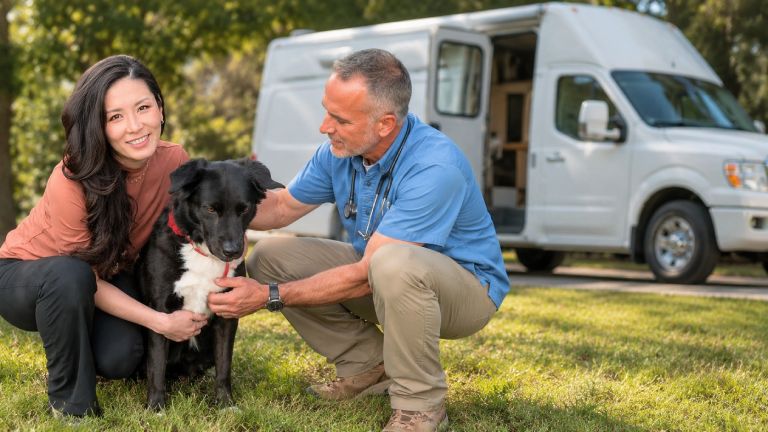
During a home visit, you can sit beside your pet. You can hold a paw or offer steady touch. You can speak in a low, calm voice. That contact tells your pet that danger is low. It also helps the veterinarian move slower and respond to your pet’s signals. The result is more trust and fewer sudden reactions. Services such as Toronto in home pet euthanasia allow pet owners to remain by their pet’s side in a familiar and peaceful environment.
5. Home visits fit natural routines
Routines give pets a sense of safety. They know when they eat, walk, and sleep. Clinic trips break that rhythm. You might skip meals, change walk times, or rush out the door. Your pet senses that tension.
With a mobile veterinarian, you can choose visit times that match your pet’s calm periods. Morning for some pets. Evening for others. You can keep feeding and walking on schedule. This steady rhythm softens anxiety. A steady pet shows better manners and more cooperation.
6. The veterinarian sees real behavior and living conditions
At a clinic, your pet might shut down or lash out. That behavior can hide pain, stiffness, or early disease. At home, your pet moves and acts in normal ways. The veterinarian can watch how your pet walks on your floors, climbs stairs, or uses the litter box.
7. Less restraint and fewer fear memories
Strong restraint can frighten pets. They may remember tight holds more than the exam or shot. Those memories grow with each clinic visit. Over time, mild fear can turn into sharp aggression.
In a mobile visit, restraint often stays light. Your pet might stay on a couch or rug. You might help hold your pet in a safe hug. The veterinarian can slow down and use more breaks. Your pet learns that care does not always mean force. That new memory softens fear and builds better behavior over time.
How to prepare your pet for a mobile visit
You can strengthen good behavior with a few simple steps.
- Pick a quiet room away from loud televisions or heavy foot traffic.
- Lay out a favorite blanket, bed, or mat for your pet.
- Have treats ready to reward calm behavior and handling.
Then share your pet’s triggers with the veterinarian. Speak about fear of nail trims, ear touch, or needles. Clear talk helps the team shape a gentler exam. Your pet feels heard through your voice. That care builds trust that lasts through each stage of life.