You might be thinking about dental implants because chewing has become harder, you avoid smiling in photos, or you are tired of worrying about a loose denture. At the same time, you might have heard a lot of conflicting opinions from friends, the internet, or even well-meaning family members. It is no wonder you feel stuck between wanting a confident smile and being scared of making the wrong choice.end
This is where many people get stuck. They know they want something more stable and natural, but myths about implants being unsafe, unbearably painful, or only for “perfect” candidates keep them frozen. You deserve better than guesswork and horror stories. You deserve clear, calm information so you can decide what is right for you.
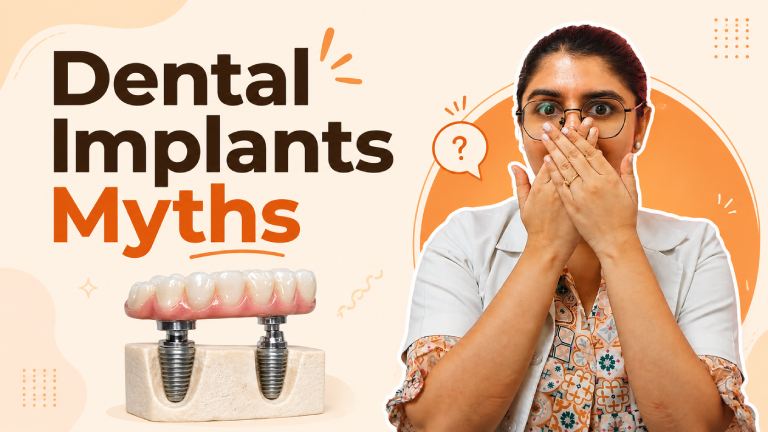
Here are four common myths about dental implants that cause a lot of unnecessary fear.
Myth 1: “Dental implants are too new and not fully tested.”
The reality is that modern implants have been studied for decades. The basic concept of an implant fusing with bone has been researched since the 1960s. Today, dental implants are regulated medical devices. The U.S. Food and Drug Administration provides clear information on how they are evaluated for safety and effectiveness. You can see this for yourself in the FDA’s guidance on what you should know about dental implants.
So where does that leave you? It means you are not choosing something experimental. You are choosing a treatment that has decades of research and millions of successful cases behind it. A periodontist and implant dentist relies on this body of evidence every day to plan treatment, manage risk, and help patients get predictable results.
Myth 2: “The surgery is unbearably painful, and the recovery is awful.”
Fear of pain is one of the biggest reasons people avoid dental implant treatment. You might imagine a long, drawn-out surgery, swelling that keeps you out of work for weeks, or a recovery filled with constant discomfort. This fear is understandable, especially if you have had a bad dental experience in the past.
Here is the nuance. Implant placement is a surgical procedure, so there will be some level of discomfort. However, most patients are surprised by how manageable it is. Local anesthesia numbs the implant area completely during the procedure. In many cases, people say they felt more pressure and vibration than pain. Afterward, over-the-counter pain medications are often enough, and many people return to normal daily activities within a day or two, with some temporary restrictions on chewing.
Think of it like having a tooth removed, but with careful planning and often less trauma to surrounding tissues. The emotional fear can be bigger than the physical reality. When your periodontist explains each step, talks through your anesthesia options, and tailors the plan to your health and comfort level, the experience becomes far less scary and far more manageable.
Myth 3: “Dental implants are only for the young and perfectly healthy.”
You might be wondering if you are “too old” for implants or if your medical history disqualifies you. Maybe you have diabetes, osteoporosis, or you have been told your bone is “too thin.” It can feel discouraging to think that the treatment you want is out of reach.
The truth is more hopeful. Age alone almost never disqualifies someone. Many healthy older adults receive implants successfully. Uncontrolled diabetes or heavy smoking are some certain conditions that can affect healing and implant success. This does not always mean you cannot have implants. It means your periodontist needs to coordinate with your physician, stabilize your health as much as possible, and design a plan that fits your specific situation.
Even if you have lost bone, there may be options such as bone grafting or using specific implant sizes and positions. A careful 3D scan helps your implant dentist see what is possible rather than making assumptions based on age or past tooth loss. The key is an honest, detailed evaluation, not a quick yes or no.
Myth 4: “Implants are only about looks & are not worth the cost.”
Cost is a very real concern. You might be balancing dental needs with other financial responsibilities, and it can feel selfish or unrealistic to invest in your mouth. On top of that, some people say implants are just for cosmetic reasons, which can make you feel guilty for even considering them.
In reality, implants are about function, health, and confidence, not just appearance. Missing teeth affect how you chew, speak, and even how your jawbone changes over time. When a tooth is lost, the bone in that area begins to shrink. Implants help support the bone and preserve your facial structure in a way that traditional dentures or bridges cannot.
Cost is only one side of the equation. There is also the cost of doing nothing. Ongoing denture adjustments, repeated repairs, or shifting teeth can add up. Many patients find that a well-planned implant, though a bigger up front investment, can provide stable function for many years with good care. Understanding this trade-off clearly helps you decide whether implants are a wise long-term choice for you.
What can you do right now to move from confusion to clarity
When you are surrounded by myths, it is easy to feel stuck. A few focused steps can bring a lot of relief and direction.
1. Get informed from trusted, science-based sources
Instead of relying on random stories online, spend a few minutes with resources created by dental schools and health agencies. For example, Columbia University’s dental library offers a clear explanation of how dental implants work and what to expect. Reading this kind of information can calm some of the fear and help you prepare better questions for your own consultation.
2. Schedule a consultation with a periodontist and implant dentist
An in-person exam, X-rays, and possibly a 3D scan will give you specific answers about your own mouth. Ask about all your options, including implants, bridges, and dentures. An Albuquerque dental implants professional will explain when implants are a strong choice and when another treatment might be a better fit. You do not have to decide on the spot. You are gathering information so you can choose with confidence.
3. Talk openly about cost, timing, and your comfort level
Money, fear, and embarrassment often stop people from asking what they really want to know. Bring those concerns into the open. Ask for a clear written plan that outlines the stages, the healing times, and the fees for each part of your implant procedure. Ask about payment options or phasing treatment over time. When your questions are answered honestly, the decision becomes less about fear and more about fit.