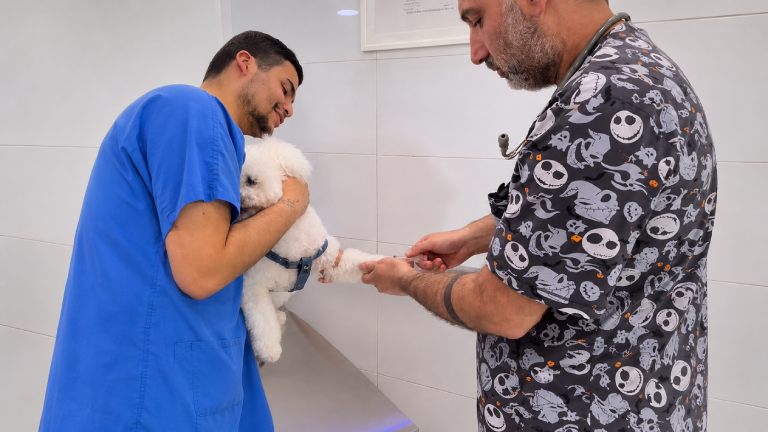
Preoperative bloodwork is not about finding reasons to cancel surgery. It is about making surgery safer, choosing the right anesthesia plan, and catching hidden problems early, before they turn into emergencies on the operating table or in recovery. It does not eliminate all risk, but it helps your veterinarian reduce that risk and prepare for what your animal truly needs.
So, where does that leave you when you are standing at the front desk being asked to approve these tests?
What makes surgery feel so stressful, and how does bloodwork fit in
Before any surgery, there is usually a mix of fear, guilt, and pressure. You might worry about anesthesia. You might worry about pain. You might worry about the cost and whether you are doing “enough” without going overboard.
On top of that, you may have heard different stories from different people. Maybe one friend says their dog had surgery with “no bloodwork at all and everything was fine.” Another tells you about a pet whose kidney problem was caught on a pre-op panel, and it changed everything. When you hear both, it is easy to feel stuck.
To answer that, it helps to understand what is happening inside the body during surgery. Human medicine talks about this often. For example, the National Heart, Lung, and Blood Institute explains how heart surgery teams prepare by checking organs, blood counts, and clotting status so they can plan anesthesia and reduce complications. You can see a similar approach in their overview of how people are prepared for heart surgery. Veterinary teams use the same principles, adapted to dogs, cats, and other animals.
What problems can preoperative bloodwork uncover that you cannot see
Think about how many conditions stay silent until the body is put under stress. A pet can look outwardly healthy and still have early kidney disease, liver changes, anemia, or abnormal clotting. Daily life might not reveal these issues. Anesthesia and surgery often do.
Here are some examples of what bloodwork can show before surgery.
Hidden kidney or liver disease. These organs process drugs and clear anesthesia from the body. If they are struggling, standard doses may be too strong or last too long. Bloodwork can show elevated kidney values or liver enzymes that prompt the surgeon to adjust the plan, add fluid support, or, in some cases, delay surgery to stabilize the pet first.
Low red blood cells or platelets. Anemia means less oxygen-carrying capacity. Low platelets or clotting problems increase bleeding risk. On a normal day, your pet may seem fine. During surgery, blood pressure changes and even small blood loss can matter. Knowing about these problems ahead of time allows the team to prepare, monitor more closely, or choose a different approach.
Electrolyte and blood sugar problems. Abnormal potassium or sodium can affect the heart and brain. Low or high blood sugar can cause weakness, seizures, or delayed recovery. Bloodwork makes these invisible issues visible, so they can be corrected before anesthesia starts.
Medical guidelines in human anesthesia emphasize this same idea. Conditions like anemia, kidney disease, and clotting disorders are known risk factors during surgery, and they are often first detected or clarified by lab tests, as discussed in clinical resources such as the statistical review of postoperative mortality and complications. Veterinarians rely on similar evidence and experience when they recommend testing for your pet.
Once you see it this way, the question shifts. It is not “Do I really need this” so much as “What could we miss if we skip it.”
How does preoperative bloodwork actually change what happens on surgery day?
It is fair to ask how information from a blood test changes real decisions. After all, if the plan were the same no matter what, the test would not help much.
Here are a few common ways pre op lab work for surgery shapes care.
Adjusting anesthesia drugs and doses. If kidney or liver values are abnormal, your veterinarian may choose medications that are easier on those organs, use lower doses, or add more careful fluid therapy. This can reduce complications during and after surgery.
Timing and urgency decisions. If bloodwork is concerning, the team may advise treating certain issues first, then operating. For example, a diabetic cat might need better blood sugar control before a dental procedure. On the other hand, if a condition is serious and surgery is the only way to help, the team can prepare for a higher risk with extra monitoring and support.
Planning for transfusions or extra monitoring. If clotting problems or anemia are found, the clinic can have blood products ready, assign more staff to the case, or schedule the surgery for a time when the most experienced team members are available.
So instead of being a “yes or no” test, preoperative bloodwork becomes a map. It helps your surgical veterinarian choose the safest path for your animal, instead of walking in blind and hoping for the best.
Weighing risks, benefits, and costs of preoperative blood tests
Even when you understand the medical reasons, you still have to weigh emotional and financial realities. You care about your pet. You also have a budget. You are trying to be responsible on both fronts.
It can help to see the trade-offs side by side.
|
Choice |
Short-term benefits |
Short-term risks |
Long-term impact |
|
Approve pre-operative bloodwork |
More accurate risk assessment. Tailored anesthesia plan. Peace of mind that hidden issues were checked. |
Higher upfront cost. One more needle stick. Possible anxiety while waiting for results. |
Better chance of catching silent disease early. May avoid serious complications, emergency care, or unexpected loss. |
|
Skip pre-operative bloodwork |
Lower upfront bill. No extra poke for your pet. Faster process before surgery. |
Hidden kidney, liver, or clotting problems may go unnoticed until anesthesia. Higher chance of surprises on the table. |
Potential for more costly complications. Missed opportunity to diagnose early disease when it is easier to manage. |
There is no perfect choice that removes all risk. Surgery always carries some uncertainty. The question is how much unknown you are comfortable with, and how much information you want your veterinarian to have before they place your pet under anesthesia.
Three practical steps you can take before your pet’s surgery
1. Ask your veterinarian what they are looking for in the bloodwork
You are allowed to ask direct, simple questions. Try “What specific problems are you checking for with this blood panel?” and “How would the results change the anesthesia or surgery plan?” A thoughtful answer will help you see the value of the test in your pet’s particular case, instead of as a generic rule.
If your pet has known conditions, such as heart disease, diabetes, or previous reactions to anesthesia, ask how those will be reflected in the lab choices. Clear answers can turn a scary unknown into a shared plan.
2. Talk openly about cost and what is essential vs optional
You do not need to pretend that money does not matter. You can say, “I want to keep my pet safe, and I also have a budget. If you had to prioritize, which tests are most important for this surgery and why?” Often, there is a core panel that is strongly recommended, with add-ons that can be adjusted. Your veterinarian would rather help you make a careful choice than have you silently worry or decline everything.
If your clinic offers pre-surgical packages, ask what each level includes and how it fits your pet’s age and health history. Older animals and those with chronic diseases usually benefit more from expanded testing. An animal surgery specialist in Chicago can help you understand which options are truly important for your pet’s safety and recovery.
3. Prepare yourself emotionally for different possible outcomes
Preoperative bloodwork sometimes brings good news. Everything is normal, and you can move forward with more confidence. Sometimes it brings mixed news. Maybe a mild change that calls for extra fluids, or a slightly elevated value that needs to be watched. Occasionally, it brings hard news, such as kidney failure or serious anemia, that might change the timing or type of surgery.
Before the blood is drawn, permit yourself to feel whatever comes. Relief. Frustration. Fear. Ask your veterinarian to walk you through what each possible result would mean. That way, you are not blindsided if the plan needs to shift. You are part of the decision-making, not just a bystander.
Finding your balance between caution and trust
Standing at the edge of surgery is never easy. You are handing over someone who cannot speak for themselves and trusting a team to care for them. That responsibility can feel heavy, especially when you are asked to approve tests and treatments that you cannot personally interpret.
Understanding why preoperative bloodwork matters before surgery gives you something solid to stand on. It is not an empty formality. It is a way to respect your pet’s body, uncover quiet problems, and give your surgical veterinarian the information they need to guide your animal through anesthesia as safely as possible.