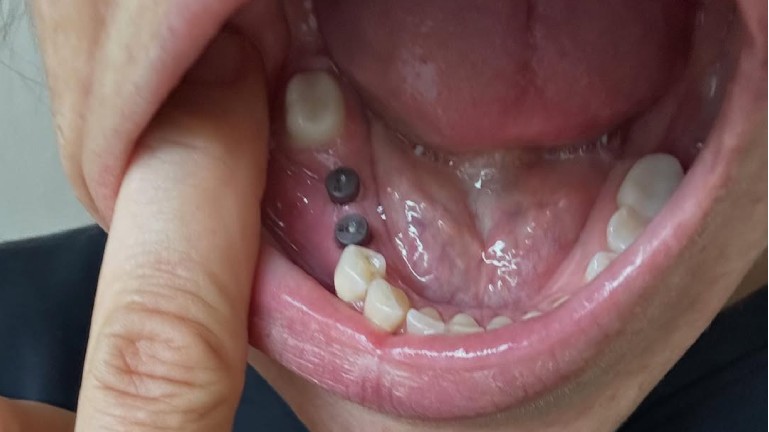
Whether you have lost a single tooth, multiple teeth, or all of your teeth, a dental implant is the best solution for replacing missing teeth with a new crown. There can be various reasons for tooth loss, such as injury, periodontal disease, cavities, and gum recession. A dental implant is very helpful when someone is missing a tooth. However, it is one of the most costly dental treatments, but it is a long-term solution for oral problems.
It also looks like natural teeth. No one can easily notice that you have an implant tooth or teeth. Its success rate is also high and depends upon the implant process. This process may vary according to the dentist and your urgency.
How the Dental Implant Procedure Works: The 6-Step Process Explained
Here are the common methods that most professional dentists follow.
1. Your tooth is removed first
If the tooth cannot be saved, your dentist or oral surgeon removes it first. This step makes room for the implant and helps the area stay clean and stable for the next stage of treatment. In some cases, your dentist may place the implant right away, but that depends on your bone health and the condition of the site.
2. Your gum and bone heal for a while
After the extraction, the area needs time to heal. This healing period helps the socket close and gives your mouth a better foundation for the implant. Healing time usually takes 3 to 4 months for complete recovery. However, this period can vary from person to person. These things can be monitored in an OPG X-ray. In some cases, if there is not enough bone to support the implant, a bone graft may be required first.
3. You visit the implant specialist again for planning
At this stage, your dentist checks your mouth, reviews your healing, and plans the implant position. This planning is important because the implant must fit well with your bite, your gums, and your jawbone. The treatment may also need scans or impressions so the dentist can place the implant in the right spot. They will decide what size of implants will be sufficient after CBCT.
4. You get the implant surgery
During implant surgery, the dentist places a small titanium post into your jawbone. This post works like an artificial tooth root. The procedure itself is usually not very long, but it must be done with care so the implant can stay stable later.
5. Your implant heals and bonds with the bone
This healing stage is one of the most important parts of the process. The jawbone grows around the implant and fuses to it, which is called osseointegration. This can take about three to nine months, depending on your body, your bone quality, and your overall oral health. This stage gives the implant strength and stability.
6. Your new crown is placed on the implant
Once the implant has healed properly, your dentist places the final crown on top. The crown is the visible tooth part, so it is made to match the shape and color of your other teeth. When the treatment is finished, the new tooth should look and feel much more natural in daily life.
Dental implants have a strong track record, but the final result still depends on good planning, healthy gums, enough bone support, and proper healing. Good oral care after treatment also matters a lot.
If you are missing one tooth, several teeth, or even all of your teeth, dental implants can be one of the best long-term solutions. They replace the missing tooth root and support a new crown that looks very close to a natural tooth. A trusted Boston cosmetic dental office understands that missing teeth can affect your smile, confidence, and reputation. Tooth loss can happen for many reasons, including injury, gum disease, tooth decay, and gum recession. Dental implants can be a costly treatment, but many people choose them because they offer lasting support and a natural look. The full process usually takes time, because your mouth needs to heal at each stage.