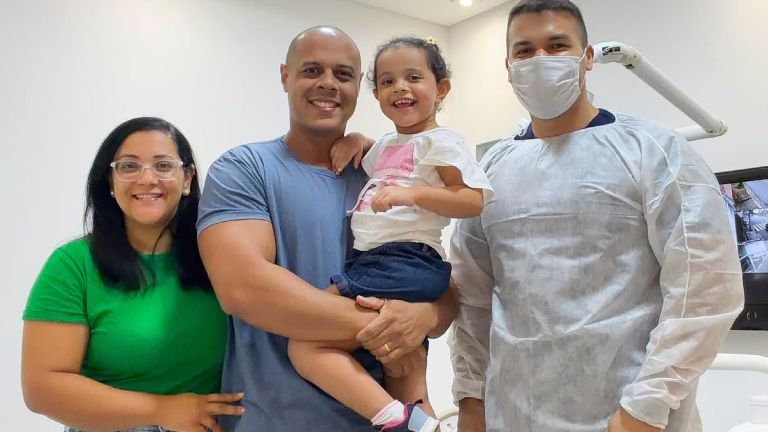
This is where choosing a dentist trained in multigenerational care starts to make sense. In simple terms, it means one family dentist who understands the changing needs of children, adults, and older adults, and can follow your family’s oral health across the years. You gain continuity, early detection of problems, more thoughtful treatment plans, and a calmer experience for everyone.
So, what actually changes when you choose a family dentist trained in multigenerational care instead of piecing things together on your own?
Why is multigenerational dental care so important for your family’s future?
Think about how different your family members are. A six-year-old with a sweet tooth. A teenager with a sports injury. You are in the middle, grinding your teeth from stress. A parent or grandparent is taking several medications and starting to lose bone density.
Many dental practices focus mainly on either kids or adults. Older adults often get squeezed in the middle, even though their needs are changing the fastest. Research on geriatric training for dental students shows that dental schools are only recently expanding training for the growing aging population. That means not every dentist is fully prepared to manage complex medical histories, medication interactions, and age-related changes in the mouth.
Because of this gap, you may notice some warning signs. An older parent keeps getting cavities even though their diet has not changed. A child’s crowding goes unnoticed until braces become more complicated.
Without a dentist who sees the full picture across ages, care can feel reactive instead of proactive. Small issues get patched up instead of prevented. You spend more time shuttling between offices, repeating medical histories, and trying to keep track of advice that does not always line up.
A dentist with genuine multigenerational training approaches your family differently. They understand that a decision made for you today can affect your oral health in 10 or 20 years. They know that a grandparent’s dental challenges may signal future risks for the grandkids. Care becomes a long, steady story instead of a series of emergencies.
What are the 4 key benefits of choosing a dentist trained in multigenerational care?
So where does that leave you as you choose a dentist for your family? It helps to look at the specific benefits you gain when your family dental care provider is trained to treat children, adults, and older adults with equal skill and respect.
1. Continuity of care across every life stage
When one dentist follows your family over time, patterns start to appear. They notice that your child tends to build tartar faster or that gum issues run in your family. They know when a change in your parents’ mouth might signal a medical issue, not just a dental one.
Studies on oral health in older adults, like this report on oral health across the lifespan, show that oral problems do not appear out of nowhere. They build over the years. A dentist who has known you for a long time can connect the dots and step in earlier.
This continuity means fewer surprises, fewer rushed decisions, and care plans that fit your family’s real life, not a one-size-fits-all model.
2. Better prevention and earlier detection for everyone
Prevention looks different at each age. Young children need help with habits and diet. Teens may need mouthguards or orthodontic planning. Adults juggle stress, grinding, and gum health. Older adults face dry mouth, root decay, and tooth wear from decades of use and medications.
A dentist trained in multigenerational care understands these shifts. They know, for example, that many medications in older adults cause dry mouth, which raises cavity risk. They know to watch for root exposure and gum recession as people age. Research on older patients in complex care settings shows how easily oral issues get missed when no one is focused on prevention.
Instead of waiting for pain, a multigenerational dentist builds a prevention plan by age group. Fluoride and sealants for kids. Careful monitoring of bite and jaw for adults. Extra support for saliva, gum health, and dentures or implants for seniors. That reduces emergencies, saves money, and keeps everyone more comfortable.
3. Safer, more thoughtful care for aging parents and grandparents
Caring for an older loved one can be emotional and exhausting. You might worry about whether they can sit through a procedure, whether their medications will interact with anesthesia, or whether it is even worth doing dental work at a certain age.
A dentist with training in geriatric and multigenerational care does not treat older adults as an afterthought. They are used to working with caregivers, physicians, and sometimes nursing staff. They know how to weigh quality of life, comfort, and safety. They also understand that untreated oral problems can worsen other conditions like diabetes or heart disease, especially in older adults.
This kind of dentist will help you decide what is truly necessary, what can be simplified, and how to make each visit as easy as possible for your loved one. That guidance can lift a lot of weight off your shoulders.
4. Less stress and more trust for your whole family
There is also the emotional side. Many people carry dental anxiety from childhood. Children pick up on their parents’ stress. Older adults may feel embarrassed by missing teeth or dentures. It is easy for appointments to become something everyone dreads.
When one trusted dentist knows your entire family, there is more calm and familiarity. Kids see parents and grandparents being cared for in the same place. Older adults feel treated with dignity, not rushed through. You do not have to repeat the same fears and preferences over and over. That sense of safety adds up over time.
In short, choosing a multigenerational family dentist is not only about convenience. It is about building a long relationship where your family’s history, emotions, and health are all part of the conversation.
What can you do right now to move toward better multigenerational dental care?
A few clear steps can help you move your family toward safer, calmer, more connected dental care.
1. Ask direct questions about age, training, and experience
When you speak with a potential family dentist in Northport, NY, do not hesitate to ask:
- How often do you treat older adults with multiple medications or health conditions
- What extra training do you have in treating seniors or people with complex needs
- Do you regularly see children, teens, adults, and seniors in your practice
You are not being difficult. You are making sure this provider can safely care for everyone you love.
2. Share your family’s “big picture” health story
At your next visit, bring a simple written summary of key medical conditions, medications, and any patterns you have noticed in your family. For example, “Gum disease on my mother’s side” or “Early tooth loss in grandparents.”
A dentist trained in multigenerational care will welcome this. It helps them connect the dots and shape a prevention plan that matches your family’s real risks.
3. Plan visits with both today and tomorrow in mind
When discussing treatment options, ask questions like:
- How will this choice affect my oral health five or ten years from now
- Is there a simpler option that would still protect my long-term health
- For my parent or grandparent, what is truly necessary for comfort and function
These questions shift the focus from quick fixes to steady, thoughtful care that respects each person’s stage of life.