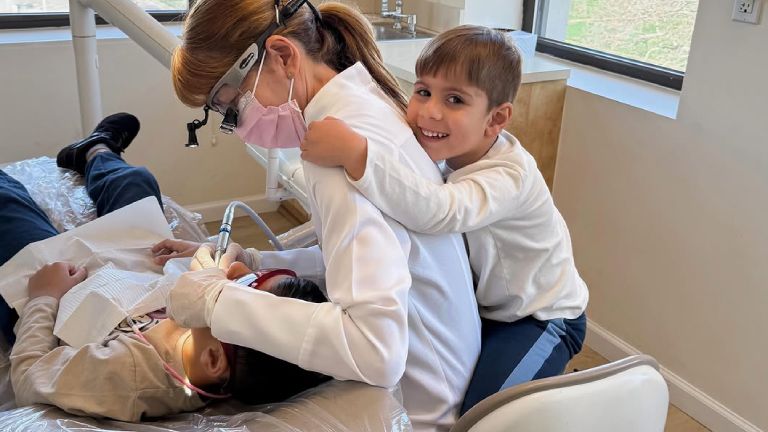
A good family dentist is not just someone who “fixes teeth.” They build a calm, predictable space where kids, adults, and even nervous grandparents can feel safe, heard, and respected. A compassionate family practice focuses on trust, communication, and comfort. It uses simple routines, clear explanations, and small kindnesses to turn fear into familiarity. Over time, that fear can soften, and regular dental care can become just another part of your family’s routine, instead of something you dread.
How Family Dentists Create a Home-Like Dental Experience
So let’s learn about how a dentist turns appointments into positive experiences.
Creating a Calm Dental Environment
Creating a calm dental environment is important to make sure patients feel comfortable. For example, the waiting area can be improved with soft colours, comfortable chairs, and relaxing music. Providing things like free coffee, magazines, or even a TV showing peaceful nature scenes can make the waiting time more enjoyable.
The check-up and treatment rooms should also follow the same idea of comfort. Dental chairs should be designed for support with adjustable positions and soft padding. Warm blankets or neck cushions can also help patients relax during treatment. These small changes can make a big difference in how patients feel about their dental visits.
Good communication is also important. Dentists and staff should spend time talking with patients and discussing any worries or fears. Simple explanations can make procedures easier to understand and reduce anxiety. A kind and friendly attitude from the dental team can also improve the environment and create a positive experience.
The Importance of Patient Comfort
Many studies show that comfort improves patient satisfaction and encourages people to follow dental advice. A report from the American Dental Association found that patients who feel relaxed are more likely to return for regular check-ups and suggested treatments. On the other hand, people who feel anxious or uncomfortable may avoid future visits, which can harm their oral health.
Programs that focus on patient comfort can include methods like relaxation exercises or mindfulness activities. Dental clinics may offer guided imagery, where patients picture a calm and peaceful place during treatment. Simple breathing exercises before treatment can also help patients relax.
Modern technology can also reduce anxiety. Through virtual reality experiences, patients can enjoy peaceful scenes while receiving treatment.
Reducing Dental Anxiety with Technology
The use of technology in dentistry has changed the patient experience in many ways. Modern equipment, tools, and treatment methods are not only more effective but also improve patient comfort.
For example, laser dentistry is a good choice instead of traditional methods because it often causes less discomfort and allows faster recovery.
Digital X-rays also produce much less radiation than older X-rays and provide clearer images of dental problems. Patients can receive instant feedback and visual explanations of their dental health, helping them better understand their treatment.
Tele-dentistry has also become more popular, especially after the pandemic. Patients can have early consultations from their homes and discuss concerns and treatment choices with a family dentist in Artesia. This lowers the stress linked with in-person visits and helps patients make informed decisions about their oral health.
Elements of a Relaxing Dental Space
Welcoming Atmosphere
The moment a patient enters the clinic, the surroundings are created to bring a feeling of calm. This starts with the decoration—soft pastel colours, natural light, and comfortable seating. The waiting area also includes gentle background music that helps reduce stress.
Sensory Experiences
Using the senses is important in creating a relaxing environment. Many clinics use light aromatherapy with calming scents like lavender and chamomile to create a peaceful experience. This is supported by soft furniture and warm textures that make patients feel welcome.
Thoughtful Layout and Design
The design of dental spaces plays an important role in patient comfort. Treatment rooms should feel spacious but still private, allowing patients to feel comfortable without feeling closed in. The design should be clean and practical, with modern equipment that is effective and not frightening.
Ways to Reduce Anxiety
Communication and Understanding
Communication is very important. Dental teams should explain procedures clearly and answer questions with patience and care. Understanding a patient’s needs and concerns allows staff to provide a more comfortable and reassuring experience.
Distraction and Entertainment
Adding distractions can greatly lower anxiety. Treatment rooms can include screens that show calming pictures or television programs. This gives patients something pleasant to focus on during their procedures.
Personal Care and Communication
- Patient Education: Help patients by providing information about dental procedures, oral health advice, and preventive care. Knowledge can reduce fear and worry.
- Open Communication: Encourage honest conversations between patients and dental staff. Listen carefully to concerns and answer questions about treatment.
- Clear Explanations: Make sure the dental team explains the treatment process clearly, including what will happen during the appointment and after-treatment instructions.
- Respect for Privacy: Protect patient privacy by providing private rooms for discussions about treatment plans or personal matters.
Personal communication helps create trust between dental providers and patients, leading to better treatment results and improved patient loyalty.
Comfort Improvements in the Treatment Room
Examples of improvements for treatment rooms include:
- Comfortable Seating: Use supportive dental chairs with soft cushions to improve patient comfort during procedures.
- Pain Management: Focus on pain control methods such as local anaesthesia or sedation dentistry to reduce discomfort during treatment.
- Distraction Methods: Offer options like headphones with calming music or ceiling TVs to take patients’ attention away from the procedure.
- Temperature and Lighting Control: Keep the room at a comfortable temperature and use adjustable lighting to create a relaxing setting.