You might be feeling a mix of excitement and worry right now. Maybe you just brought home a new puppy or kitten, or you are caring for a young pet for the first time in years, and suddenly you are realizing how many questions you have. What vaccines do they need and when? How much should they eat? Are they growing the way they should? Every little sneeze or loose stool makes you pause and wonder if something is wrong.
It can feel like a lot. You want to do everything right, but the internet is noisy, friends give conflicting advice, and it is hard to know what truly matters for a young animal’s health. Because of this tension, you might wonder whether you really need to go to a veterinary clinic for pediatric care, or if you can manage most of it at home and just show up when something is obviously wrong.
Here is the short version. Early care shapes your pet’s entire life. Veterinary pediatric care is not just about shots. It is about building a healthy body, strong immunity, and safe behavior patterns during the months when your puppy or kitten is changing almost every day. A good veterinary clinic becomes your partner, so you are not guessing alone or reacting only when there is a crisis.
Why young pets are different and need more than “wait and see” care
Think about how quickly a puppy or kitten grows. One month they fit in your hands, a few months later they are racing around the house with adult-sized energy. Their bones, organs, immune system, and brain are all developing at high speed. That speed is exciting, but it also means problems can appear and worsen quickly if no one is watching closely.
In a veterinary clinic, pediatric visits are designed around this rapid change. Teams in places like university small animal hospitals, such as the Washington State University small animal hospital, build schedules that match each stage of growth. They look at teeth, joints, heart and lungs, skin, and behavior patterns, not just weight and vaccines. At home, those changes can be easy to miss or easy to brush off until they are much harder and more expensive to fix.
So where does that leave you? You may be trying to balance the cost and time of clinic visits with the urge to simply “watch and wait” at home. The risk is that by the time something looks serious to you, your pet may have been uncomfortable or at risk for weeks.
What can go wrong when pediatric care is not clinic-based
Picture this. You bring home a cheerful eight-week-old puppy. You find a vaccine schedule online, pick up food from the store, and search a few training videos. Everything looks fine. Then at five months, your puppy starts limping after play. You think it is a minor sprain. By the time you get to a vet, you learn there is an underlying joint issue that could have been addressed earlier with different nutrition, activity, or even earlier screening.
Or imagine a kitten who seems “chubby and cute.” Without guidance on healthy growth, that kitten quietly becomes overweight. You only realize there is a problem when your adult cat has trouble jumping, or your vet later warns about diabetes risk.
These are not scare stories. They are common patterns that veterinarians see every week. Skipped or delayed vaccines, missed parasite prevention, or untreated mild infections can all snowball. Behavioral issues often start in puppy and kittenhood as well. A veterinary clinic can help you read early signs of anxiety, aggression, or fear and suggest training or changes at home before patterns become hard to change.
Why veterinary clinics are built for puppies and kittens specifically
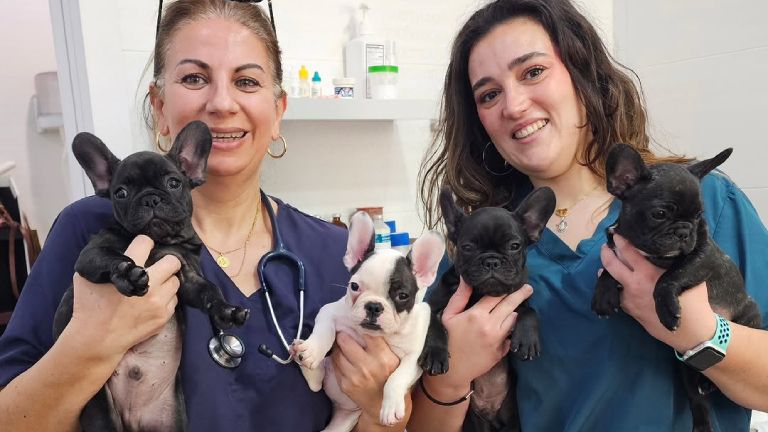
Many clinics offer structured puppy and kitten visits that bundle vaccines, exams, and conversations about behavior and home life. For example, some teaching hospitals outline exactly what happens at puppy and kitten visits, from parasite testing to nutrition advice. These are not random add-ons. They exist because young animals need layered care.
During these visits, you get:
- Physical exams that track growth, joints, heart, lungs, and teeth.
- A vaccine plan matched to your pet’s age, lifestyle, and local disease risks.
- Parasite prevention for worms, fleas, and ticks, which affect young pets more strongly.
- Guidance on nutrition, feeding schedules, and healthy weight targets.
- Behavior and training support during key socialization windows.
This is what makes a veterinary clinic more than just a place for emergencies. This is especially true in a family-friendly veterinary practice. Where veterinarians and staff take time to educate pet owners, where small questions are welcome, where the team knows your pet’s history, and where you can check your instincts against medical knowledge.
Three steps you can take now to protect your young pet’s future
1. Schedule a dedicated pediatric visit, even if your pet seems healthy
If your puppy or kitten has not had a full exam in the last few weeks, schedule one. Ask for a visit focused on pediatric care, not just vaccines. Bring a list of your questions, no matter how small they feel. A good veterinary team will welcome them. This first step builds a baseline, so any future changes are easier to spot and explain.
2. Ask for a written plan for the first year
During that visit, ask your vet to map out the first twelve months. That plan might include vaccine dates, parasite prevention schedules, spay or neuter timing, nutrition goals, and suggested times to check growth or behavior. When you have a written path, it is easier to budget, easier to spot what you might be missing, and easier to feel calm when small worries pop up.
3. Use your clinic as a partner, not just a “last resort.”
Instead of waiting until you feel panic, get comfortable reaching out for the “Is this normal” questions. Many clinics will answer brief concerns by phone or through online portals. A quick question about new behavior, appetite, or stool can prevent a small issue from becoming a late-night emergency visit. This is the everyday face of strong pet pediatric care.