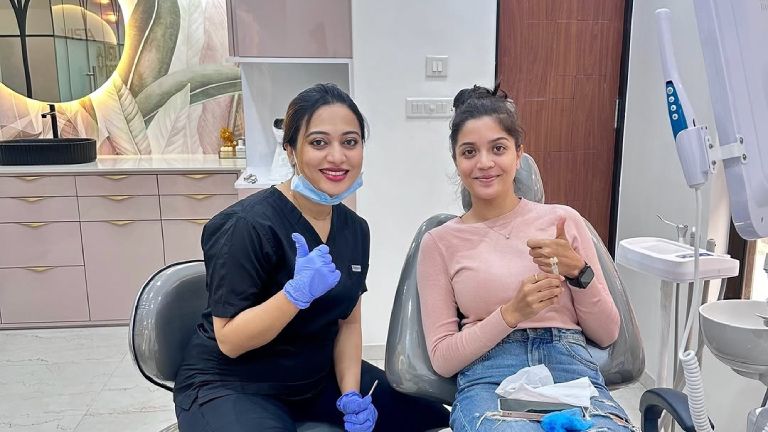
A strong smile helps you face each day with courage. Family dentistry protects that strength from early childhood through older age. You gain one trusted team that learns your history, your fears, and your goals. Then you get steady care that grows with you. Children build healthy habits. Teens handle braces and sports injuries. Adults manage stress, strains, and wear. Older adults keep chewing, speaking, and socializing with comfort. Regular checkups catch small problems early. Restorative care repairs damage before it steals your confidence. Simple cleanings keep teeth and gums steady.
Why one family dentist matters
Oral health connects to your whole body. Gum disease is linked to heart disease, diabetes, and pregnancy problems. One dentist for your household brings order to this risk.
You gain three key strengths.
- Shared history for every family member
- Simple scheduling and clear plans
- Trust that grows over the years
Your dentist sees patterns across your family. You might share enamel weakness or gum trouble. You might also share eating habits or sports risks. The office uses that insight to plan care for each person. You spend less time repeating past problems and more time staying ahead of new ones.
Care from baby teeth to wisdom teeth
Each life stage brings its own mouth changes. Family dentistry keeps pace and gives you one clear path.
For young children, visits focus on three things. First, comfort in the chair. Second, early cavity checks. Third, guidance for parents on brushing, diet, and pacifier or thumb use. You learn how to clean small teeth and choose snacks that do not feed decay.
For school-age children and teens, needs shift. New permanent teeth come in. Sports and playground falls raise the chance of chipped teeth. Orthodontic care may start. Your family dentist tracks growth, watches crowding, and works with orthodontists when needed. This teamwork protects roots, gums, and jaw joints while teeth move.
For adults, the focus changes again. Grinding, stress, tobacco, pregnancy, and chronic illness start to show in the mouth. Your dentist helps you manage stains, fillings, cracked teeth, and early gum disease. You gain plain talk about risk and choices. You also gain support for quitting tobacco and cutting sugary drinks.
Support for older adults and caregivers
Later in life, teeth and gums face dry mouth, old fillings, and past damage. Medicines for blood pressure, mood, or sleep often reduce saliva. That dry feeling can raise decay, soreness, and infection. The National Institute of Dental and Craniofacial Research reports that many older adults live with untreated decay and gum disease.
Family dentistry helps you plan around these changes. The office can
- Review medicines that dry your mouth
- Suggest fluoride, rinses, and simple tools
- Adjust dentures or partials for a safer bite
Caregivers also gain clear guidance. You learn how to help with brushing, flossing tools, and denture care for a spouse, parent, or child with special needs. You can schedule group visits, so you are not making many trips.
How routine visits protect your confidence
Checkups are more than quick looks. They are your main defense against painful problems and high bills. During a routine visit, your dentist and hygienist will
- Clean away plaque and hardened tartar
- Check for decay, cracks, and loose fillings
- Measure gum health and bone support
- Screen for oral cancer and soft tissue changes
These steps keep your smile steady. Small cavities get treated before they spread. Early gum disease responds to deep cleaning and home care. Mouth sores or color changes get fast attention. You avoid sudden emergencies that shake your confidence and strain your budget.
Comparing common family dentistry services
This table shows how core services support your smile at different ages. Use it to see where you and your family stand today.
|
Service |
Main purpose |
Best for ages |
How often
|
|
Dental cleaning and exam |
Remove plaque and check for disease |
All ages |
Every 6 to 12 months |
|
Fluoride treatment |
Strengthen enamel and prevent cavities |
Children and teens. High-risk adults |
Every 3 to 12 months |
|
Dental sealants |
Protect grooves on back teeth |
Children and teens |
Once per tooth. Check at each visit |
|
Fillings |
Treat small to moderate decay |
All ages |
As needed when decay appears |
|
Crowns |
Cover weak or broken teeth |
Adults and older adults |
As needed for damaged teeth |
|
Night guard |
Protect teeth from grinding |
Teens and adults |
Nightly use when grinding occurs |
|
Dentures or partials |
Replace missing teeth |
Adults and older adults |
Adjust or reline every few years |
Building daily habits that match your life
Office visits only work when they match what you can do at home. Family dentistry respects your time, budget, and stress. You and your dentist agree on three simple pillars.
- Brush twice a day with fluoride toothpaste
- Clean between teeth daily with floss or other tools
- Limit sugary drinks and snacks between meals
Your dentist can tailor these steps. Young children may use flavored toothpaste and sticker charts. Teens may need mouthguards for sports. Adults with tight schedules may try pre-threaded flossers. Older adults with sore hands may use electric brushes or water flossers.
Using one trusted home for your family’s smiles
When you choose one family dentist, you choose steady support. You stop guessing about what each person needs. You stop repeating your story at every new office. You also gain early warnings when patterns show up across your household. At a Carlisle dental clinic, family care means you do not need to start over with each new stage of life.
Your smile should not feel fragile. With family dentistry, it can feel strong, familiar, and secure at every age. You and your loved ones can speak, eat, laugh, and show up in the world without hiding your teeth. That confidence is not a luxury. It is a daily tool that helps you work, learn, and stay connected to others.