Kids are more likely to care for their teeth when dental routines feel safe, fun, and predictable. A mix of play, clear expectations, gentle education, and support from a trusted family dentist can turn resistance into cooperation. You will not get perfection every day, yet you can build steady progress and a much calmer home routine.
Why does dental care feel like such a battle with kids?
You are asking them to stop playing, stand still, open wide, and tolerate strange sensations in their mouth, often when they are tired or distracted. If they have ever had a painful cavity or a scary visit, their body remembers that. So their “no” is not defiance for the sake of it. It is often fear, discomfort, or simple overwhelm.
For you, the stakes feel high. You may worry about cavities, the cost of treatment, or the shame of a dentist saying “they need to brush better.” You might think about how baby teeth affect speech, nutrition, and future orthodontic needs. When you add in busy schedules and tight budgets, it is easy to feel like you are failing before you even start.
So where does that leave you? Stuck between a child who wants autonomy and a parent who wants to protect their health. That tension is real. The good news is that small, consistent changes can ease that stress and help you both feel more in control.
What makes children actually care about their teeth?
Children tend to engage with what feels meaningful, enjoyable, and within their control. When oral care is framed only as “because I said so” or “or you will get cavities,” it becomes a chore. When it is connected to stories, play, and their own choices, the energy shifts.
So, how do you move from pressure to partnership with your child around their teeth?
6 gentle strategies to keep kids excited about brushing and dental visits
These ideas work best when you treat them as tools, not rules. You can mix and match, try one at a time, and adjust based on your child’s age and personality.
1. Turn brushing into a predictable ritual, not a surprise demand
Kids feel safer and more comfortable when they know what is coming. Make toothbrushing part of a fixed routine, like “bath, pajamas, brush, story.” Use the same order every night so there is less room for negotiation. You can even use a simple visual chart for younger children so they can see the routine and check it off.
2. Give them age-appropriate control
Offer small choices that keep you in charge of the goal, but give them control over the “how.” For example, “Do you want the blue toothbrush or the green one?” or “Should we brush to the dinosaur song or the space song tonight?” You can let them brush first, then say, “Now it is my turn to check and get the sugar bugs you missed.”
3. Use stories and play to lower fear
Younger kids especially respond to stories. The toothbrush can be a “superhero” chasing cavity monsters. The sink can be the “cavity car wash.” If your child is anxious about the dentist, read picture books about friendly dental visits, or role-play at home where they are the dentist, and you are the patient. That way, the real visit feels more familiar and less threatening.
4. Focus on effort, not perfection
Instead of saying, “You missed the back teeth again,” try, “I see you tried really hard on the front teeth. Now let us give the back teeth some extra help.” Praise the routine itself. “You came to the sink when I asked. That made things so much easier.” This builds a sense of competence instead of shame.
5. Stay calm during pushback
There will be nights when your child refuses or cries. That does not mean you are failing or that your child will have terrible teeth. You should try to understand their fear and attempt to educate about their teeth and keep your child calm.
6. Bring in a trusted dental partner
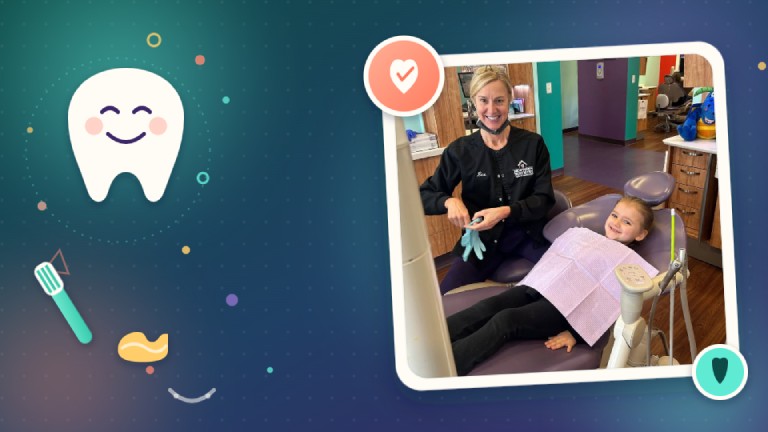
A Denton family dentistry practice can be a powerful ally. Routine checkups are not just about finding cavities. They are also a chance for your child to build trust with another adult who reinforces what you are teaching at home. Many dentists use kid-friendly language, show tools, and involve children in their own care, which can boost confidence.
What can you start doing today to make dental care easier?
You do not have to overhaul everything at once. Three focused steps can start shifting the energy around your child’s dental routine and support kids’ dental habits for the long term.
1. Create a simple, visible brushing routine
Write down a short morning and bedtime routine that includes brushing and, when appropriate, flossing. Use pictures for younger kids. Put it where your child can see it, like on the bathroom mirror. Walk through it together for a few days, pointing to each step. This turns oral care into “just what we do” rather than a new demand every night.
2. Build a small “toolkit” your child helps choose
Take your child to choose a toothbrush with a favorite color or character, and a child-friendly fluoride toothpaste with a flavor they like. Consider a two-minute song or timer that becomes “the brushing song.” When children help choose the tools, they often feel more invested in using them.
3. Schedule or confirm the next dental checkup
If your child has not seen a dentist in the last six months, or has never had a visit, put that on your calendar now. Before the appointment, talk about it in simple, positive terms, such as, “The dentist’s job is to help keep your teeth strong and shiny.” You can also practice at home by counting teeth together and taking turns being the “dentist” and the “patient.”
Holding on to the bigger picture
Raising a child who cares about their teeth is not about winning every single brushing battle. It is about building a steady pattern of care, wrapped in patience and respect, so your child learns that their body is worth looking after. Some days will still be messy. That is normal. What matters is that you keep showing up, offering structure, and inviting your child to be part of the process.
You are already doing something important just by thinking about how to support your child’s smile. With a bit of creativity, consistent routines, and support from a caring family dentist, dental care can shift from a daily struggle to a shared habit that feels natural for both of you.