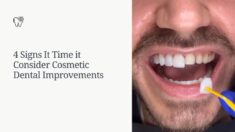
A healthy, confident smile can influence how others see your competence, warmth, and trustworthiness. It can also change how you see yourself. Research supports that appearance, including teeth, shapes first impressions in work settings. Cosmetic dentistry is not magic, and it will not replace skills or experience, but it can remove a barrier that keeps you from showing up fully. The real story is not about perfection. It is about confidence, communication, and alignment between how capable you are and how you come across.
How does your smile quietly shape your career story?
Think about the last time you met someone new at work. Within seconds, your brain made a judgment about them. Were they friendly? Were they sharp? Did they seem reliable? Those first few seconds are often guided by facial cues, including the smile. Studies have found that people with well-maintained teeth are often rated as more attractive and more successful, and they are perceived as more intelligent and trustworthy in professional settings.
In one study, participants consistently made more positive social judgments about people with well-aligned, healthy-looking teeth than about those with visible dental issues. You can see this pattern discussed in research on how dental appearance affects social perceptions and quality of life, such as the work summarized in recent clinical reviews on oral health and self-image. This is not about beauty standards for their own sake. It is about how the human brain uses visual shortcuts when time is short and information is limited.
So, where does that leave you if you are self-conscious about your teeth? You might speak less in meetings. You might avoid presenting. You might shy away from leadership opportunities that put you front and center. Over time, that hesitation can quietly slow your career, even if no one ever says, “It is because of your smile.”
When confidence and appearance clash, what happens at work?
The problem is not only how others see you. It is also how you feel about yourself. If you dislike your teeth, you may carry a baseline level of anxiety into every professional interaction. That anxiety can change your body language, your tone, and your willingness to advocate for yourself.
Imagine two scenarios. In the first, you are leading a client presentation. You are proud of the strategy, but as the meeting starts, you become hyperaware of a chipped front tooth. You smile less, keep your hand near your mouth, and rush through your points. The content is strong, but your delivery feels tense. In the second scenario, you feel at ease with your smile. You maintain eye contact, you speak at a steady pace, and you respond openly to questions.
Research repeatedly links oral health and dental appearance to self-esteem and social confidence. For example, studies on orthodontic and cosmetic outcomes show that people often report better social functioning and less embarrassment once visible dental issues are addressed, as seen in work like clinical evaluations of smile aesthetics and quality of life. That shift in confidence tends to spill into work life as well. You are more likely to network, negotiate, and be visible when you are not busy hiding your teeth.
Of course, there are real obstacles. Cosmetic treatments can be expensive. They can take time. You might worry about what colleagues will think. You might also fear regret. What if it looks unnatural? What if it does not change anything at work? Those are fair questions, and they deserve thoughtful answers, not pressure.
Can cosmetic dentistry genuinely support professional success?
Cosmetic dentistry covers a range of treatments. Whitening for stained teeth, bonding for chips and gaps, veneers for shape and color, clear aligners for crowding, and restorative work that blends function with appearance. When done well, these treatments aim to create a smile that looks like you, just healthier and more balanced.
From a professional standpoint, the impact shows up in three areas. First, there is first impression bias. A cleaner, more aligned smile tends to be read as a sign of good health and attention to detail. Second, there is communication. If you are no longer guarding your mouth, your speech becomes clearer and your facial expressions more open. Third, there is a self-narrative. When you feel you look “put together,” it reinforces the story you tell yourself about being capable and ready for higher responsibility.
Research on quality of life after cosmetic and orthodontic treatments shows improvements in social confidence and perceived attractiveness, which can indirectly support career opportunities. One study on patient satisfaction after cosmetic procedures found meaningful gains in self-confidence and social interactions, which you can see reflected in outcomes such as those reported in evaluations of aesthetic dental treatment and patient well-being. While these studies do not track promotions or salary directly, they highlight a consistent pattern. When people feel better about their smile, they show up differently.
What steps can you take if you are considering a cosmetic dentist?
1. Clarify what you actually want from your smile
Before you speak to anyone, spend time getting clear on your goals. Are you bothered by color, crookedness, chips, or old dental work that stands out? Is your main wish to feel more comfortable speaking in front of others? Or are you hoping for a complete change? Write down the specific moments at work when you feel held back by your teeth. For example, “I cover my mouth when I laugh in meetings,” or “I turn my camera off during video calls.” These details will help you and any Clearwater cosmetic dentist decide what really matters and avoid treatments you do not need.
2. Seek consultations and ask direct, practical questions
Schedule consultations with one or two dentists who focus on cosmetic work. Treat these meetings like you would any important professional decision. Bring your list of concerns and ask to see before and after photos of similar cases. Ask about the lifespan of each option, the maintenance required, and what the most conservative approach would look like. A thoughtful dentist will be honest about trade offs, suggest a plan that fits your budget and timeline, and respect if you want to start small, such as whitening or minor bonding, before committing to larger changes.
3. Align your treatment with your broader career and life plans
Think about timing and impact. If you have a major presentation or job interview coming up, some treatments may need to be scheduled well in advance, while others, like whitening, can be done closer to the date. Consider how the cost fits into your financial picture and whether a payment plan is sensible. Also, pay attention to how you feel as you move forward. Are you becoming more relaxed in conversations? Are you speaking up more? Use those small shifts as feedback that your investment in cosmetic dentistry for success is supporting your larger goals, not distracting from them.
Cosmetic dentistry improves career advancement by increasing first impressions, increasing non-verbal confidence, and fostering a perception of competence. A polished smile eliminates self-consciousness. It allows professionals to communicate assertively. It builds client rapport and project trustworthiness during critical meetings and interviews.