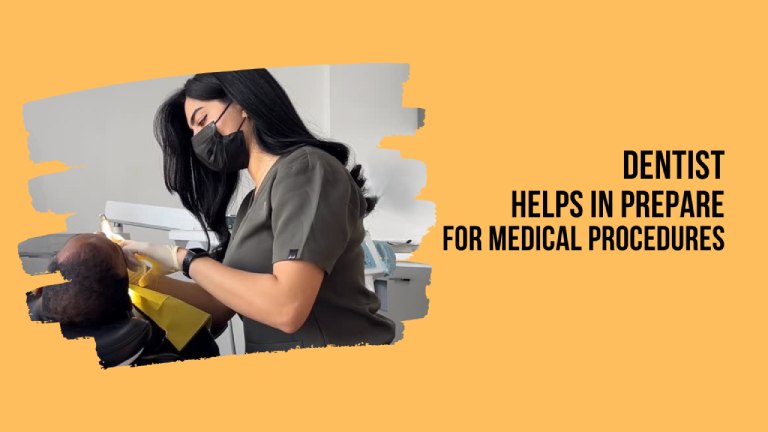
People are living with multiple health problems, including dental issues. When you are heading into heart surgery, joint replacement, cancer treatment, or trying to manage a condition like diabetes, your oral health can quietly influence how smoothly everything goes.
Your general dentist can help lower your risk of infection before surgery, coordinate with your medical team, and spot dental problems that could delay or complicate treatment. With a bit of planning, your dental visit can become one of the most protective steps you take before a major procedure, not just another item on the to-do list.
Why does your dentist matter before surgery or major treatment?
When you are preparing for something as serious as heart surgery or a joint replacement, your medical team is focused on reducing infection risk, stabilizing your chronic conditions, and making sure your body is as strong as possible. Your mouth is part of that picture.
Many hospitals now ask patients to have a dental checkup before certain operations. For example, some cardiac surgery programs encourage patients to treat active dental infections before surgery because oral bacteria can enter the bloodstream and reach the heart. If you are curious about how detailed these preparations can be, you can see how a major hospital outlines what to do in advance of heart surgery.
So, where does that leave you when you are already anxious about the main procedure itself?
This is where your general dentist steps in. They know your mouth, your past dental work, and often your health history. They can look for quiet problems, like a low-grade tooth infection or gum disease, that might not hurt but still affect your recovery.
When oral health problems make a hard situation even harder
Imagine this. You have waited months for a hip replacement. You have arranged time off work, childcare, rides, everything. A few days before surgery, your pre op blood work shows signs of possible infection. The team postpones the surgery. After more tests, they discover a hidden tooth abscess. Now you need emergency dental treatment and a new surgery date.
It is not just frustrating. It is exhausting and expensive. Rescheduling surgery can mean more time in pain, more time on medications, more travel, and more emotional strain.
Or consider someone starting chemotherapy. Their immune system is about to be weaker than usual. A deep cavity or untreated gum disease can turn into a serious infection when the body has fewer defenses. Suddenly, dental pain is competing with cancer treatment for attention. That is the last thing anyone needs.
There is also the quiet pressure of chronic conditions. If you live with diabetes, for example, you already know healing can be slower and infections can be more stubborn. Gum disease can make blood sugar harder to control, and uncontrolled blood sugar can make gum disease worse. The connection works both ways. The National Institute of Dental and Craniofacial Research explains this two-way link between diabetes and oral health in more detail on their page about diabetes and dental health.
Because of all this, ignoring your mouth before a major procedure is a bit like ignoring a slow leak in your house right before a storm. It might hold. It might not. The risk is simply higher than it needs to be.
That is why preparing your oral health before surgery or treatment is sometimes called a form of “medical dental clearance” or pre surgical dental preparation. It is to reduce the chances that your teeth or gums will surprise you when you are already healing from something big.
What exactly can your general dentist do to help you prepare?
Your general dentist is often the starting point for this kind of preparation. They can help in several ways.
They review your medical history, including medications, blood thinners, diabetes, autoimmune conditions, or cancer treatments. They update your dental records with any changes your doctors have made. This matters because certain medications affect bleeding, healing, or how you react to numbing agents.
They perform a careful exam and often X rays. The goal is to find infections, broken or loose teeth, failing root canals, or deep cavities that might flare up. Gum health is checked too, because advanced gum disease can be a source of chronic inflammation and infection.
They coordinate with your medical team. Your dentist can send a summary of findings to your surgeon or primary doctor, including what treatment was done and whether your mouth appears stable for the planned procedure. If you need dental work first, they can discuss timing and any special precautions, such as adjusting blood thinners under your doctor’s guidance.
They guide you through home care changes. Before and after a major procedure, your usual brushing or flossing routine might need to shift. Maybe your joint hurts and you cannot reach certain areas. Maybe chemotherapy makes your mouth sore. A general dental provider can recommend specific tools, rinses, and routines to keep your mouth as healthy and comfortable as possible.
Three practical steps to take with your general dentist before a major procedure
1. Tell your dentist exactly what procedure is planned and when
Do not assume your dentist knows the details. Bring the name of your surgery or treatment, the date, and any instructions your surgeon has given you. If you have a written pre op packet, bring that too.
Share your full medication list and any allergies. This includes blood thinners, heart medications, diabetes drugs, bone strengtheners, chemotherapy, or immunosuppressants. These details guide safe dental treatment and help your dentist decide what should be done now and what can safely wait.
2. Ask for a focused “medical readiness” dental check
Explain that you want to make sure your mouth is in the best shape possible for your upcoming procedure. Your dentist can prioritize finding and treating anything that might cause infection or pain in the near future.
Ask these questions.
- “Do you see any teeth or gum issues that could flare up while I am recovering?”
- “If something needs to be treated, how much healing time do I need before my surgery or treatment starts?”
- “Can you share a brief summary with my surgeon or medical team?”
This keeps everyone on the same page and turns your dental visit into a clear part of your medical preparation, not an isolated errand.
3. Plan for aftercare and limitations during recovery
Think about what your daily life will look like after the procedure. Will you be tired, in pain, or limited in how you move your arms or neck? Ask your dentist in Beaverton, OR, to help you adapt your oral care to that reality.
You might need a softer toothbrush, a different flossing tool, or a gentle mouth rinse. If you are having cancer treatment, you may need guidance for dry mouth or mouth sores. If you have diabetes, talk about how often you should schedule cleanings while your body is under extra stress.
This is also a good time to ask when it is safe to return for routine dental cleanings or follow-up work. A simple plan written down can remove a lot of guesswork later.