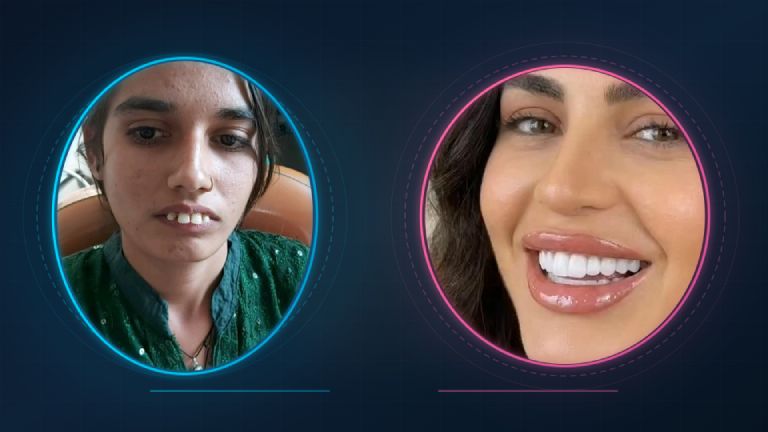
It is uncommon to have naturally straight teeth. Only about 35% of adults have well-aligned teeth without braces or other treatment. Most people, around 84%, have malocclusion, which means their teeth are uneven or not properly aligned.
There is an interesting finding in archaeology: many ancient skulls show straight teeth. Fossil records suggest early humans usually had well-aligned teeth, including wisdom teeth. This was not rare, but quite common in the past.
How Evolution Changed Our Teeth
Around 2 million years ago, early humans lived as hunter-gatherers. They had to find different kinds of food daily. Mostly natural and unprocessed food, such as roots, fruits, and raw meat. Chewing these tough foods put strong pressure on their teeth and jaws, and over time, the tooth surfaces became worn down and flat due to constant use.
During the revolution in the food industry, new machines and methods made food easier to process. Soft and processed foods became more common. At the same time, the human jaw started to become smaller, and issues like crooked teeth and crowding became more frequent.
In simple terms, over a short period, jaw size reduced in some groups, but tooth size stayed almost the same. This is like making a room smaller while keeping the same amount of furniture. Everything becomes crowded, and teeth begin to overlap as they grow.
The Role of Genetics
Genetics has a strong effect on how teeth are arranged, including jaw size and spacing. Your DNA carries instructions that shape your body, including your teeth. Tooth development is a complex process controlled by genes, but it can also be affected by the environment.
You may inherit tooth shape and size from your parents. Features like root number, cusp size, and groove patterns are often passed down through families.
Genetics can also raise the risk of gum disease. Even with good care, some people may still develop gum problems. Saliva quality is also linked to genetics. Low saliva flow or an unhealthy balance of bacteria in the mouth can make a person more likely to get cavities. In such cases, consulting a Wellesley dentist or any qualified dental professional can help identify early signs and provide proper care.
Childhood Habits That Affect Teeth Alignment
Habits during childhood, like thumb sucking, pushing the tongue forward, or using bottles and pacifiers for too long, can put pressure on growing teeth and jaws, leading to misalignment.
Tongue thrusting happens when the tongue pushes too far forward during swallowing or speaking. Over time, this can move teeth out of place and create an open bite.
Long-term mouth breathing can also affect how the face and teeth develop. It is linked to narrow jaws and overbites in children.
Studies show that children who continue sucking habits beyond the age of four are more likely to face dental issues. These may include narrow upper jaws, protruding front teeth, open bites, and crossbites.
Tooth Loss and Gaps
When a tooth is lost and not replaced, nearby teeth can move into the space. This movement can create gaps, cause teeth to turn, or disturb the bite.
Gum disease, especially periodontitis, is a common reason for teeth shifting and gaps forming. Long-term infection can damage the bone that supports the teeth. As this bone weakens, teeth lose support and may move or spread apart.
A structure called the labial frenum can also cause gaps, especially between the upper front teeth. This thin tissue connects the upper lip to the gums. If it is too thick or attached too low, it can pull the teeth apart.
Poor Dental Care and Its Effects
Not taking care of teeth does more than cause cavities. It can also lead to misalignment. If baby teeth fall out too early due to decay or gum problems, nearby teeth can shift into the empty space, causing crowding or gaps when adult teeth come in.
Losing baby teeth too early or too late can disturb the normal path of permanent teeth. If a baby tooth is lost early, nearby teeth may block the space needed for the adult tooth. If a baby tooth stays too long, it can stop the adult tooth from coming out properly, forcing it to grow crooked.
Health Problems from Misaligned Teeth
Misaligned teeth can cause several issues beyond looks. Chewing can become difficult because teeth may not fit together properly. It leads to poor food breakdown and possible digestion problems.
Crooked or crowded teeth are harder to clean, which increases the risk of cavities and gum disease. Bacteria and plaque can build up in hard-to-reach areas of the teeth.
Uneven alignment can also cause extra wear on tooth enamel, increasing the chances of chips or cracks. Jaw pain or TMJ problems may develop due to extra strain on jaw muscles, leading to discomfort, headaches, and clicking sounds while opening or closing the mouth.
So, all people in the world have different tooth sizes, shapes, and alignment. There can be the above reasons or even more reasons than those mentioned. So, start taking care of your teeth from childhood if you want them to have proper straightness and alignment.